Pakistan President Declares Emergency in Khyber Pakhtunkhwa Province
Pakistan's president has declared a state of emergency in Khyber Pakhtunkhwa province, a region governed by Imran Khan's party.
Pakistan's President Arif Alvi has officially declared a state of emergency in the northwestern Khyber Pakhtunkhwa province. The decision marks a significant escalation of federal intervention in a region currently administered by the political party of former Prime Minister Imran Khan.
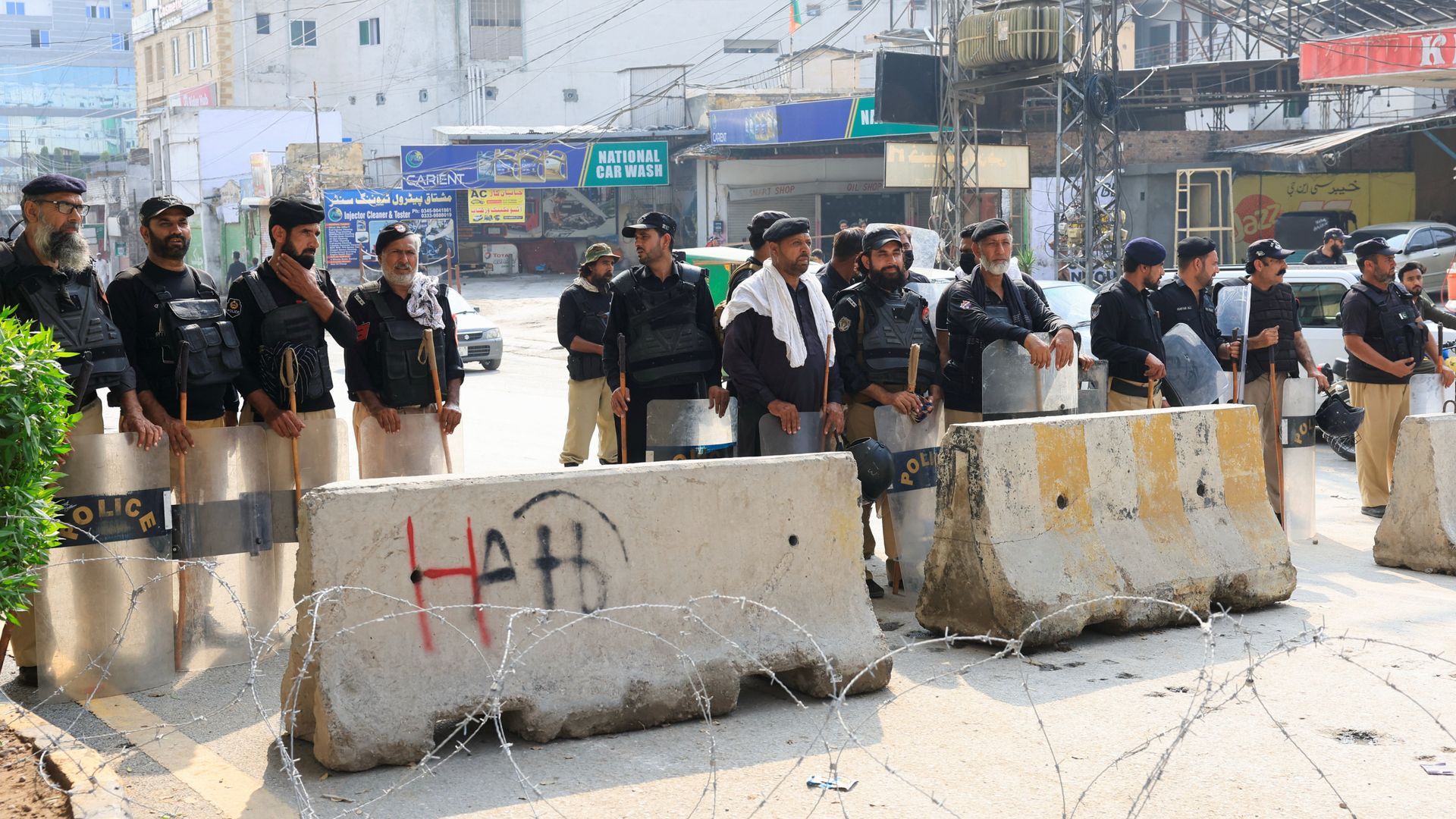
The declaration comes amid a period of heightened political tension and instability across Pakistan. Khyber Pakhtunkhwa province, bordering Afghanistan, has long been a focal point for security challenges and political maneuvering. The federal government's move to impose emergency measures signals a potential consolidation of control or an attempt to address perceived governance failures in the province.
Details surrounding the specific reasons for the emergency declaration remain limited, but sources indicate it is linked to ongoing security concerns and political unrest. The federal government has not yet provided a comprehensive justification, but the move is likely to be interpreted as a direct challenge to the provincial administration led by Imran Khan's Pakistan Tehreek-e-Insaf (PTI) party.
This development could have far-reaching implications for the political landscape of Pakistan. It raises questions about the future of provincial autonomy and the extent of federal authority. The emergency status may grant the central government expanded powers to manage security, law and order, and potentially influence political affairs within Khyber Pakhtunkhwa.
The declaration of emergency powers is a serious measure, typically reserved for situations of extreme crisis. In Pakistan's history, such declarations have often been used to address severe security threats or political instability, sometimes leading to the suspension of civil liberties and the imposition of direct federal rule. The specific provisions of this emergency declaration will be crucial in determining its immediate impact on the province's governance.
Political analysts suggest this move is indicative of the deep-seated political rivalries that have characterized Pakistani politics in recent years. The relationship between the federal government and the PTI-led provincial government has been fraught with tension, and this emergency declaration could be seen as a strategic maneuver in that ongoing power struggle.
Further details are expected to emerge regarding the scope of the emergency powers and the actions the federal government intends to take in Khyber Pakhtunkhwa. The response from the provincial government and the public is also anticipated to be a key factor in how this situation unfolds.
Unresolved questions remain about the long-term objectives behind this declaration and whether it will effectively address the underlying issues in the province or exacerbate political divisions. The international community will be watching closely as Pakistan navigates this latest phase of political and security challenges.
This article was written by AI based on publicly available news reporting. Original reporting by the linked source.