Polanski Refuses to Apologize for Guillotine Post, Calls it Mistake
Zack Polanski will not apologize for re-posting a guillotine image, calling it an inadvertent mistake amplified by Nigel Farage.
Green Party politician Zack Polanski has refused multiple times to apologize to Nigel Farage for re-posting an image of a man wearing a t-shirt featuring a guillotine and the slogan "we're only making plans for Nigel." Polanski, who quickly deleted the image, stated he would not apologize for an "inadvertent mistake" that he believes Farage "amplified in a fundamentally dishonest way."
The controversy began when Polanski shared the photo on Monday evening. He explained that it was the fifth image in a series of 20 from a party and that he had accepted a request to collaborate with the Instagram account of a photographer at the event. He claimed he did not notice the slogan on the t-shirt at the time, only registering the context of people partying and a rainbow hat worn by the individual.
Reform UK leader Nigel Farage responded by posting a screenshot on X, stating, "If I was to post anything as inciteful then I would expect to be arrested, and so should Polanski." Reform UK's home affairs spokesperson, Zia Yusuf, characterized the image as showing a man calling for Nigel Farage's beheading and suggested it could be an incitement to murder. The Green Party leader was reportedly referred to the Metropolitan Police over the photo, though he told the BBC he had not been contacted by law enforcement.
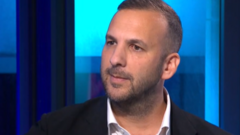
Speaking to BBC Newsnight, Polanski elaborated on his refusal to apologize. He argued that an apology would only validate Farage's interpretation and escalate the situation. Polanski also pointed out that Farage had cropped the image in his own post, which he described as "fundamentally dishonest" and contributing to the amplification of the issue.
Polanski further expressed concern for his own safety, noting that he had received a death threat earlier that day. He suggested that Farage's strong reaction was a political tactic designed to further inflame the situation. Polanski stated he would apologize if Farage were willing to apologize for instances where he believes Farage has endangered others.
Despite the repeated opportunities to apologize, Polanski maintained his stance, emphasizing the importance of condemning political violence and committing to improve his social media practices. He indicated that issuing an apology would play into what he perceives as Farage's political strategy.
The Metropolitan Police confirmed they had received a complaint on Monday but stated there was no update on the investigation. Polanski, an elected member of the Greater London Authority, appeared to believe that police involvement would be unwarranted given the nature of the mistake.
This incident highlights the heightened scrutiny and potential consequences of social media content, particularly for public figures. The differing interpretations of the shared image and the subsequent political fallout underscore the challenges of navigating online discourse and the sensitivities surrounding political commentary.
This article was written by AI based on publicly available news reporting. Original reporting by the linked source.