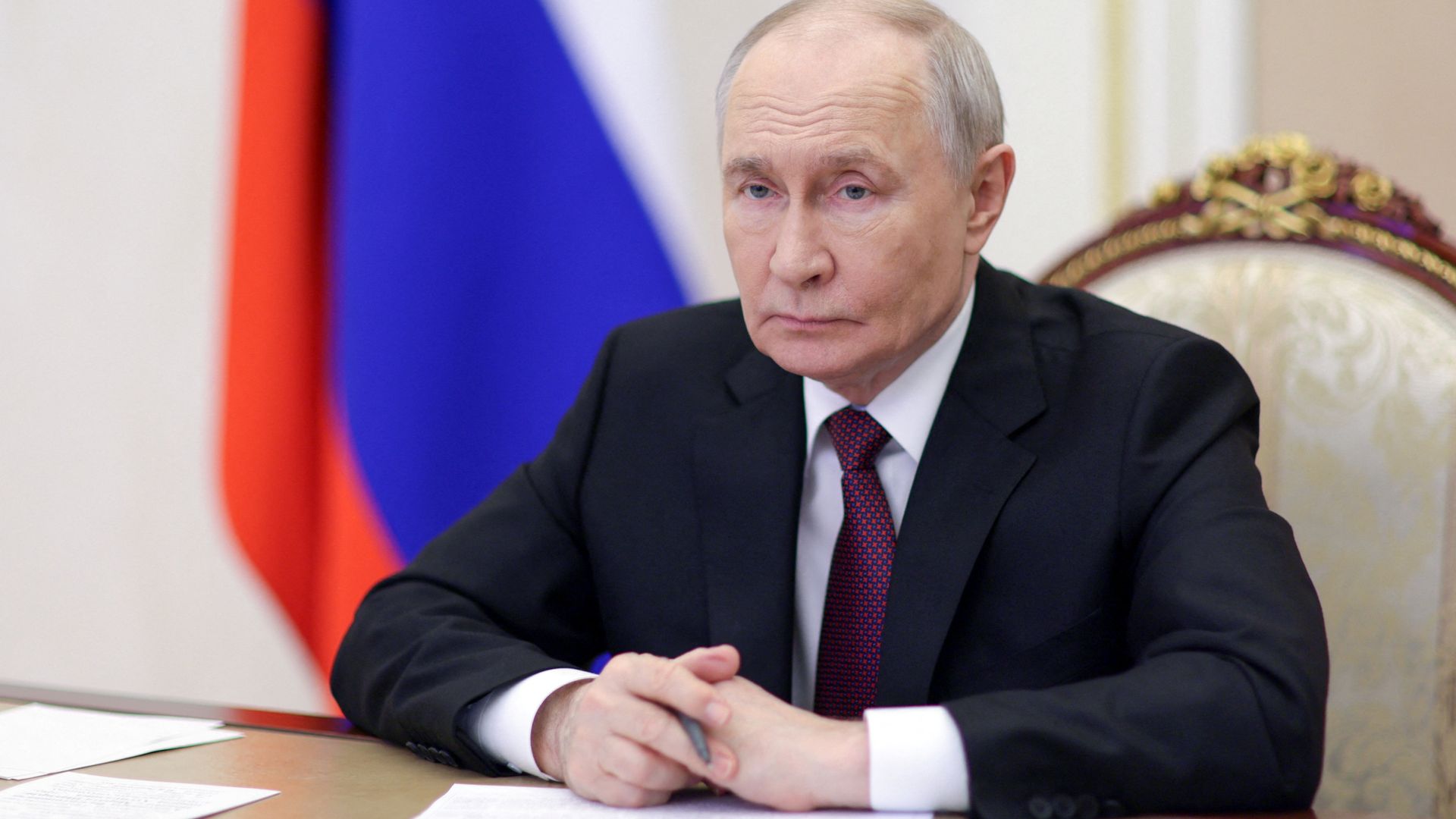
Putin Offers Peace Talks After Ukraine Strikes Spark Fuel Shortages
President Putin stated Russia's readiness for peace talks following Ukrainian strikes that caused significant fuel shortages across Russia.
President Vladimir Putin announced on Tuesday that Russia is prepared to engage in peace talks with Ukraine, a statement that comes in the wake of a series of Ukrainian drone strikes targeting Russian oil refineries and fuel depots.
The remarks signal a potential shift in Russia's stance on negotiations, which have been largely stalled for months. The drone attacks, which have intensified in recent weeks, have reportedly led to considerable disruptions in fuel supply and price increases within Russia, prompting concerns about the domestic economic impact.
Putin, speaking at a meeting with Belarusian President Alexander Lukashenko, indicated that Russia would not be deterred by these attacks and would continue its military operations. He emphasized that Ukraine's leadership, influenced by external forces, has refused to negotiate in the past.
While the Kremlin has consistently maintained its willingness to negotiate based on its own terms, this recent declaration, linked to the consequences of the strikes, could be interpreted as an attempt to shift blame and pressure Kyiv. The Ukrainian government has not yet issued a direct response to Putin's latest statement.
Analysts suggest that Russia may be seeking to leverage the domestic economic pressures caused by the refinery attacks to push for a ceasefire that favors its current territorial gains. The effectiveness of these strikes in significantly degrading Russia's energy infrastructure and their long-term economic implications remain subjects of ongoing assessment.
Kyiv has previously stated that any peace negotiations must include the full withdrawal of Russian troops from all Ukrainian territories, including Crimea, and the restoration of Ukraine's territorial integrity. These demands have been consistently rejected by Moscow.
The timing of Putin's announcement, coinciding with reports of dwindling fuel reserves and rising prices, raises questions about the motivations behind the offer. It could be an attempt to quell domestic discontent or to present Russia as a willing negotiator on the international stage.
Further developments will likely depend on Ukraine's response, the continued impact of the refinery strikes, and the broader geopolitical landscape. The international community continues to monitor the situation closely, with many nations advocating for a diplomatic resolution to the conflict.
This article was written by AI based on publicly available news reporting. Original reporting by the linked source.