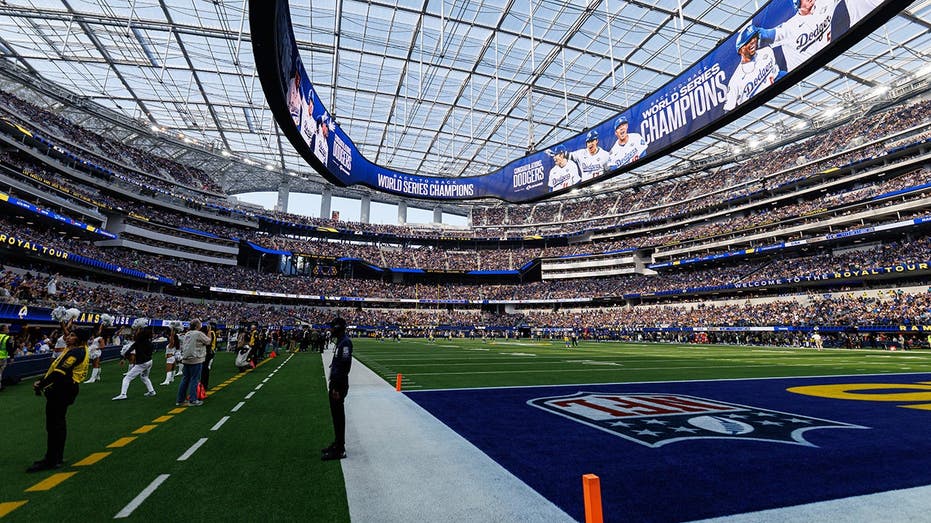
Rams Assemble Super Team, Aim to 'Ruin Football' Like Dodgers Did Baseball
The Los Angeles Rams are building a "super team" with star players, drawing parallels to the Dodgers' dominance and potential negative impact on competition.
The Los Angeles Rams have assembled a roster that some observers suggest could "ruin football," drawing a striking comparison to the Los Angeles Dodgers' perceived impact on baseball.
With the expected return of defensive star Myles Garrett and the continued presence of veteran quarterback Matthew Stafford, the Rams are being positioned as a potential "super team." This aggregation of talent, particularly on the defensive side with the potential return of Aaron Donald, has led to discussions about competitive balance in the NFL.
The article draws a parallel between the Rams' current roster construction and the Los Angeles Dodgers' recent history of acquiring top talent. The implication is that such concentrated talent can stifle competition and make the league less interesting for fans.
This approach raises questions about the long-term health of competitive parity in professional sports leagues. When one team amasses an overwhelming advantage in talent, it can lead to predictable outcomes and diminish the excitement of the league as a whole.
The author notes that the Rams appear to be in "win now" mode, prioritizing immediate success over potentially building for the future. This strategy is often employed by teams looking to capitalize on a specific window of opportunity, often driven by the presence of veteran star players.
While the acquisition of elite talent is a common strategy in professional sports, the specific combination and caliber of players on the Rams' roster have sparked debate. The article suggests that this level of dominance could make the NFL less compelling for its audience.
Comparisons are made to other sports where dominant teams have faced similar criticism. The underlying concern is that extreme talent disparity can ultimately harm the sport by reducing the unpredictciplinary nature of competition.
Ultimately, the article posits that the Rams' roster could significantly alter the competitive landscape of the NFL, potentially mirroring the criticisms leveled against the Dodgers for their perceived impact on baseball's competitive balance.
This article was written by AI based on publicly available news reporting. Original reporting by the linked source.