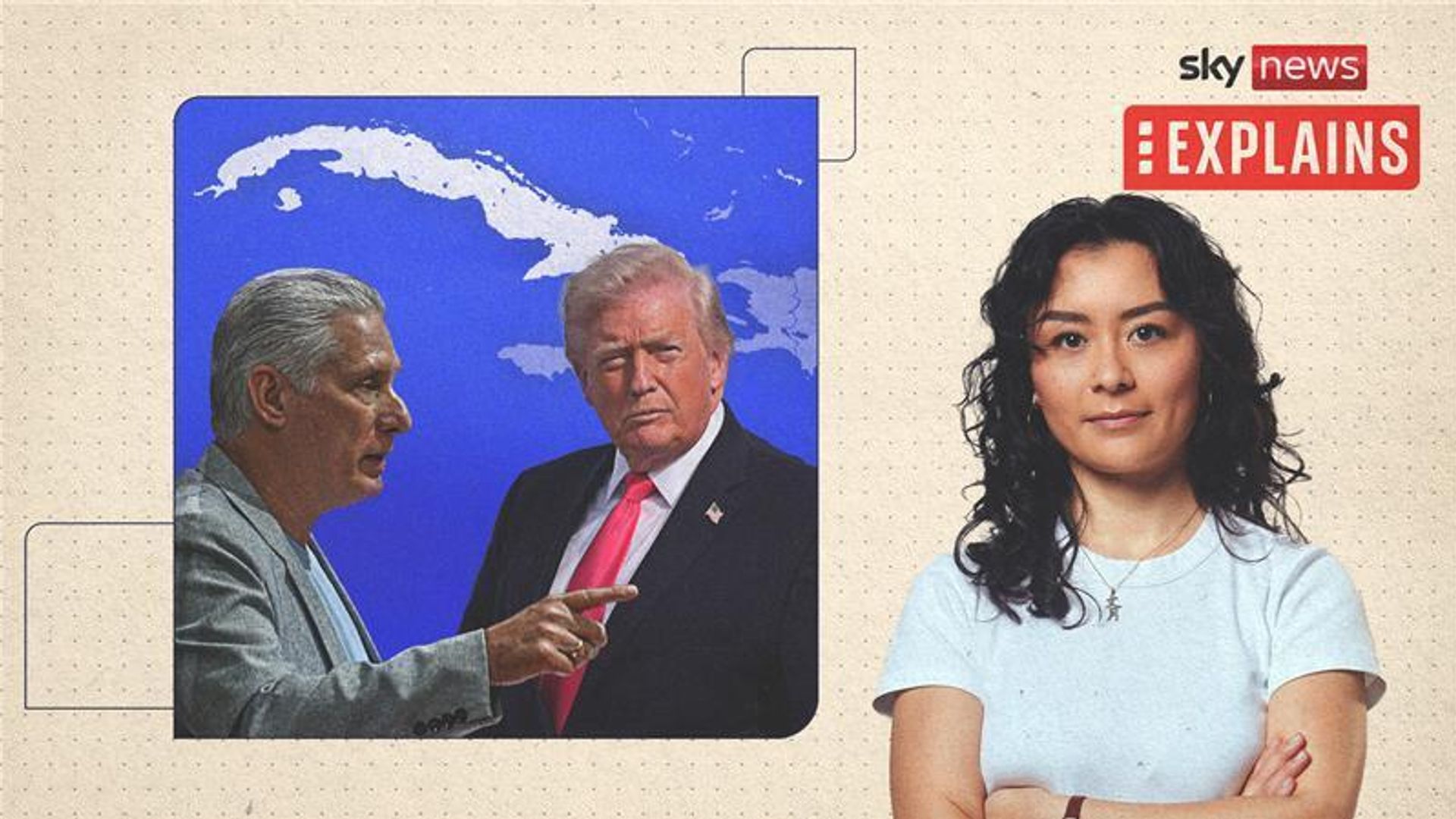
Raul Castro Charged With Murder by US in Shocking Development
Former Cuban President Raul Castro faces US murder charges, marking a significant escalation in international legal action.
The United States has formally charged former Cuban President Raul Castro with murder, a move that dramatically escalates international legal and political tensions. The charges, announced by U.S. authorities, represent a direct accusation against a former head of state by a foreign government, a rare occurrence in global affairs.
This development is rooted in decades-old events and long-standing U.S. grievances against the Cuban government. The charges are understood to relate to the 1996 downing of two civilian aircraft belonging to the Brothers to the Rescue organization, which killed four Cuban-Americans. The U.S. has consistently blamed Cuba for the incident, labeling it a deliberate act of aggression.
Details surrounding the specific evidence and legal basis for the charges remain under review, but U.S. officials have indicated a renewed commitment to holding Cuban leadership accountable for past actions. The former president, who succeeded his brother Fidel Castro and stepped down in 2018, has been a central figure in Cuban politics for decades. The charges signal a determined effort by the U.S. to pursue justice for the victims and their families.
The implications of these charges are far-reaching, potentially impacting U.S.-Cuba relations, which have seen periods of both thawing and renewed hostility. The legal ramifications for Raul Castro, though practically limited given his current status, carry significant symbolic weight and could influence international perceptions and diplomatic engagements.
This move by the U.S. is not unprecedented in its broader ambition to exert pressure on foreign governments perceived to be involved in human rights abuses or international law violations. However, directly charging a former head of state of a sovereign nation with murder is a particularly aggressive legal strategy. It underscores a willingness to employ extraordinary measures to address historical grievances.
Reactions from Cuba have been swift and condemnatory, with Cuban officials denouncing the charges as politically motivated and an illegitimate interference in Cuba's internal affairs. They have consistently maintained that the 1996 incident was a legitimate act of defense against hostile incursions into Cuban airspace.
The U.S. has previously sanctioned Cuban officials and entities in connection with the downing of the aircraft. This latest action, however, represents a direct criminal accusation, moving beyond sanctions to individual legal culpability as defined by U.S. law. The legal process moving forward, if any, and the potential for international cooperation or conflict remain uncertain.
Questions persist about the feasibility of bringing Raul Castro to justice, given his location and the sovereign immunity typically afforded to former leaders. Nevertheless, the announcement itself serves as a powerful statement from the U.S. government, aiming to underscore accountability for alleged state-sponsored violence and to provide a sense of closure for the victims' families.
This article was written by AI based on publicly available news reporting. Original reporting by the linked source.