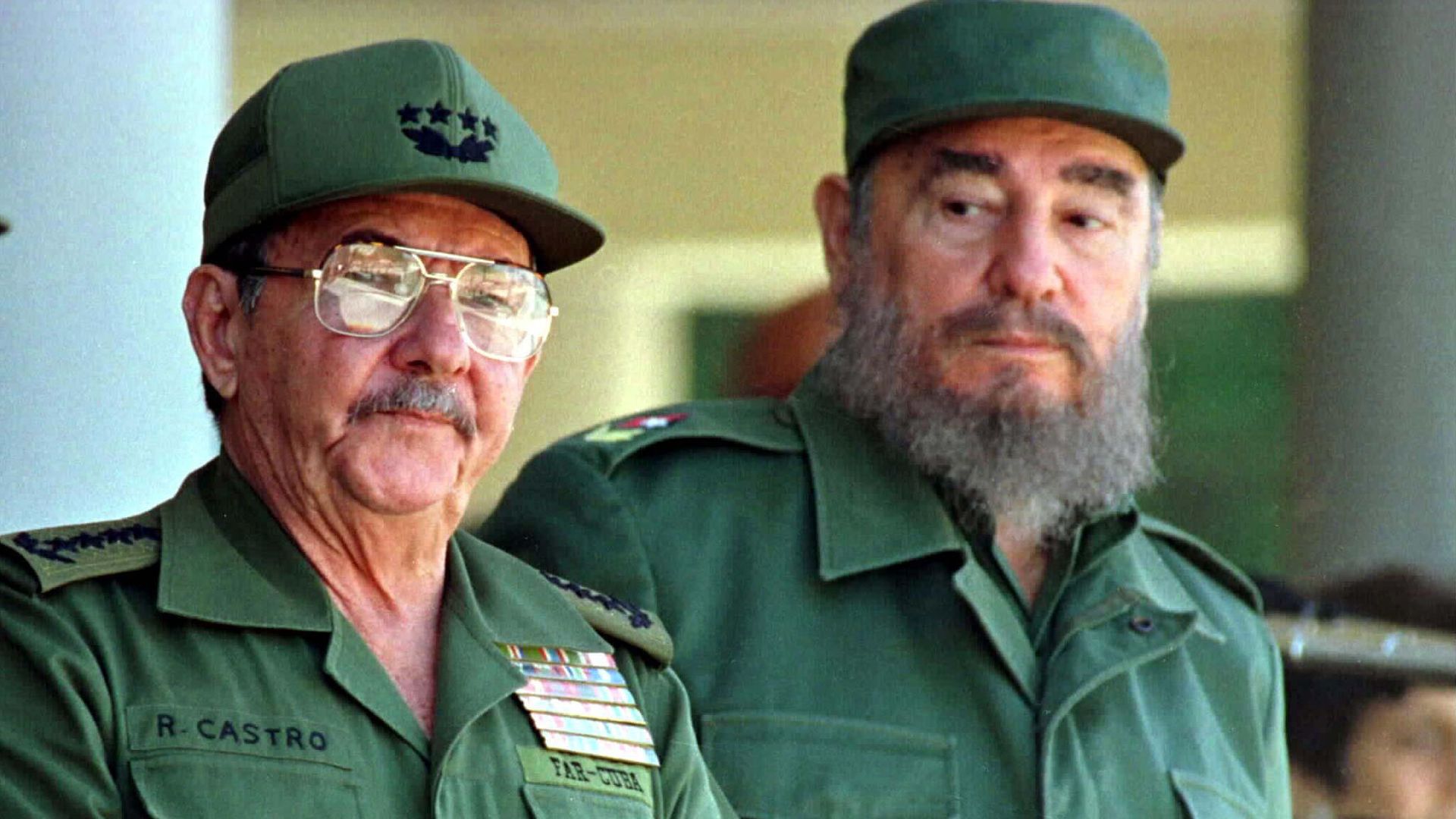
Raul Castro Charged With Murder in U.S. Over 1996 Airstrike
Former Cuban President Raul Castro faces U.S. murder charges for a 1996 airstrike that killed four people in two civilian planes.
Former Cuban President Raul Castro has been charged with murder in the United States in connection with a deadly 1996 military airstrike. The incident involved two civilian planes that were shot down, resulting in the deaths of four people.
The charges stem from the downing of two Brothers to the Rescue planes by Cuban fighter jets. The humanitarian organization, based in Miami, was searching for rafters fleeing Cuba at the time of the attack. The U.S. Justice Department announced the charges, marking a significant escalation in the long-standing tensions between the two nations.
U.S. prosecutors allege that Castro, as Cuba's then-Minister of Defense, was responsible for ordering the airstrike. The victims were U.S. citizens and Cuban exiles who were part of the Brothers to the Rescue group. The organization had previously engaged in flights over Cuba to drop leaflets and assist those attempting to escape the island.
These charges, brought decades after the event, could complicate diplomatic relations and potentially impact future interactions between the U.S. and Cuba. The legal implications for Castro, who stepped down as Cuba's president in 2018, remain unclear, particularly given his status as a former head of state.
The 1996 incident was a major point of contention between the U.S. and Cuba, leading to widespread international condemnation of Cuba's actions. The U.S. government at the time imposed further sanctions on Cuba and strengthened its embargo. The Brothers to the Rescue organization continued its activities in subsequent years, advocating for human rights in Cuba.
Legal experts note that prosecuting a former head of state for such actions presents considerable legal and diplomatic challenges. Extradition or other forms of legal accountability would likely require complex negotiations and may face significant obstacles.
Cuban authorities have historically defended the airstrike as a necessary measure to protect Cuban airspace and sovereignty. They have accused Brothers to the Rescue of engaging in provocative and illegal activities, including espionage and interference in Cuba's internal affairs.
This development revives painful memories for the families of the victims and underscores the enduring legacy of the 1996 tragedy. The U.S. Justice Department has not detailed the specific legal avenues it intends to pursue following the announcement of the charges.
This article was written by AI based on publicly available news reporting. Original reporting by the linked source.