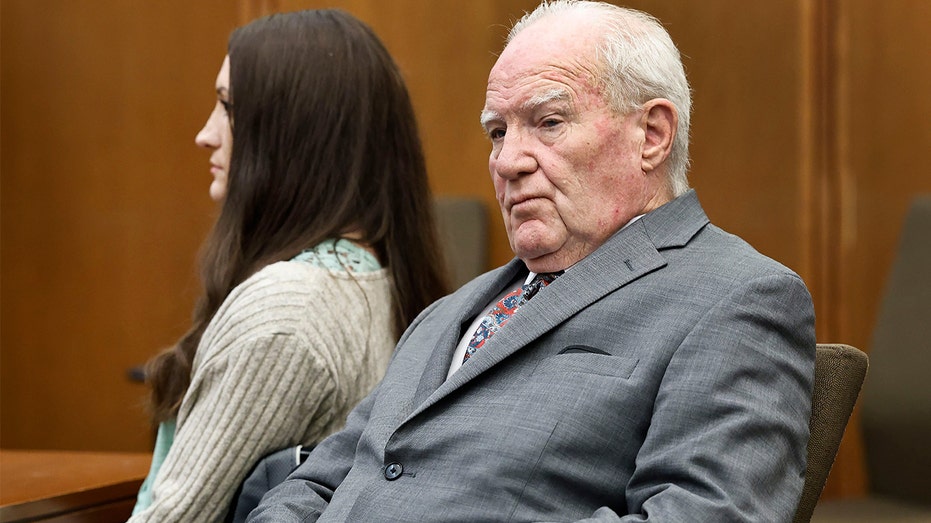
Read's Lawyer Contrasts Defense Styles as Clancy Jury Deliberations Continue
Karen Read's defense attorney drew a distinction between his approach and that of Lindsay Clancy's former lawyer, as the Clancy jury's deliberations entered a sixth day.
The jury deliberating the case of Karen Read has entered its sixth day of deliberations without reaching a verdict, a protracted period that has drawn comment from Read's defense attorney, Alan Jackson.
Jackson, who is representing Read in her murder trial, noted the ongoing deadlock in the jury tasked with deciding the fate of Lindsay Clancy, who is accused of killing her three young children. Clancy's defense team, which previously included attorney Kevin Reddington, had a different approach compared to Jackson's current strategy.
"He's cut from a different cloth than I am," Jackson reportedly stated about Reddington's past representation of Clancy. Reddington, known for his aggressive tactics, is no longer representing Clancy. The current defense attorney for Clancy has not been widely identified in public reports. The prolonged jury discussions in the Clancy case underscore the complexity and potential divisiveness of the evidence presented.
The extended deliberations suggest that at least one juror may be holding out, or that jurors are deeply engaged in reviewing the evidence and legal instructions. The outcome of the Clancy trial, whenever it is reached, will have significant implications for the families involved and could set precedents in similar cases.
Jackson's comments highlight the varied strategies employed by defense attorneys in high-profile criminal cases. While Reddington's approach was characterized by confrontation and a focus on challenging the prosecution's narrative forcefully, Jackson has adopted a more measured and strategic defense for Read. This contrast in styles can be crucial in how evidence is perceived and how juries are persuaded.
The current deadlock in Clancy's case is not unprecedented, but it does indicate a challenging decision for the jurors. They must weigh the evidence, the testimony of witnesses, and the arguments presented by both the prosecution and the defense to arrive at a unanimous verdict.
Legal experts often note that lengthy deliberations can signal either a jury's thoroughness and diligence or a fundamental disagreement among its members. In cases involving complex medical or psychological evidence, as has been present in the Clancy proceedings, juries may require more time to fully comprehend and reconcile differing interpretations.
The prolonged nature of these deliberations means that all parties, including the families of the victims and the accused, remain in a state of uncertainty. The resumption of deliberations on Friday will be closely watched for any signs of progress towards a resolution.
This article was written by AI based on publicly available news reporting. Original reporting by the linked source.