Rubio Defends US Visa Curbs in India, Citing 'America First' Policy
Senator Marco Rubio stated US visa policies are driven by an 'America First' approach under President Trump, addressing Indian concerns.
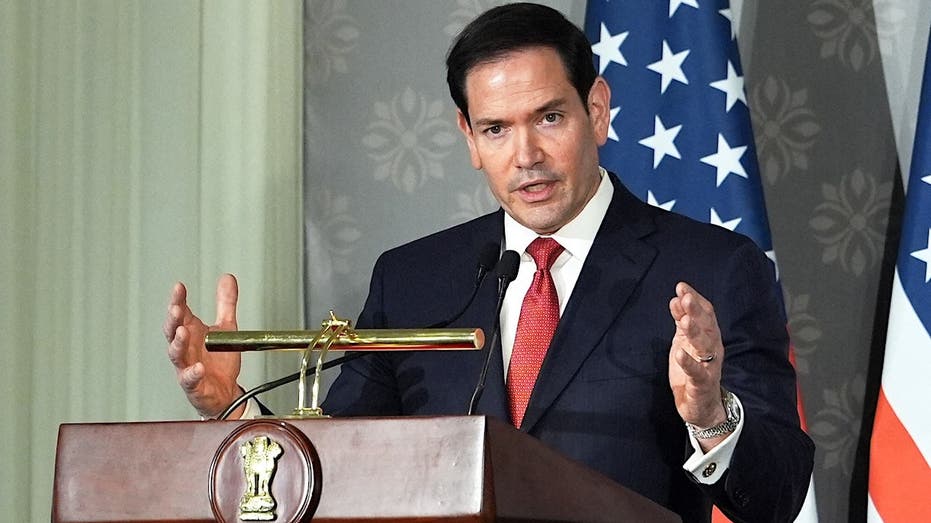
Senator Marco Rubio has defended the United States' immigration and visa policies, asserting that they are guided by an "America First" philosophy championed by President Donald Trump. Speaking in India, Rubio addressed concerns raised by the country regarding perceived U.S. visa curbs, emphasizing that the administration's actions are rooted in prioritizing American interests.
The senator's remarks come amidst ongoing discussions about global immigration trends and national security. Rubio's stance suggests that the U.S. government views its visa regulations not as discriminatory but as a necessary component of its broader foreign policy and domestic security strategy. This "America First" approach, he indicated, influences decisions across various sectors, including international relations and trade.
Rubio explained that the policies are designed to ensure that the United States benefits from international engagement while safeguarding its own economic and security interests. He suggested that these measures are part of a global strategy rather than being specifically targeted at any single nation. The senator's comments aimed to provide clarity on the motivations behind U.S. immigration policies.
While the specific details of the visa curbs were not elaborated upon, Rubio's framing of the issue implies a transactional and self-interested approach to international relations. This perspective aligns with the broader "America First" agenda that has characterized the Trump administration's foreign policy, focusing on bilateral deals and national advantage.
The "America First" doctrine, as articulated by the Trump administration, has often involved a re-evaluation of long-standing international agreements and alliances. In the context of visa policies, this translates to a stricter vetting process and potentially reduced access for foreign nationals, which proponents argue is essential for national security and economic stability.
Rubio's visit to India provided a platform to communicate these principles directly to a key international partner. India, with its large diaspora and significant number of professionals seeking opportunities in the U.S., is particularly sensitive to changes in visa regulations. The senator's message sought to reassure Indian officials and the public that the policies are part of a consistent, albeit nationalistic, framework.
The implications of this "America First" stance extend beyond visa policies, influencing trade negotiations, defense cooperation, and diplomatic engagements. Rubio's articulation suggests that the U.S. intends to continue prioritizing its own perceived benefits in its interactions with other countries, regardless of traditional diplomatic norms.
As the global landscape continues to evolve, the "America First" approach remains a significant factor in shaping U.S. foreign policy. The effectiveness and reception of these policies by international partners like India will likely remain a focal point for geopolitical analysis in the coming years.
This article was written by AI based on publicly available news reporting. Original reporting by the linked source.