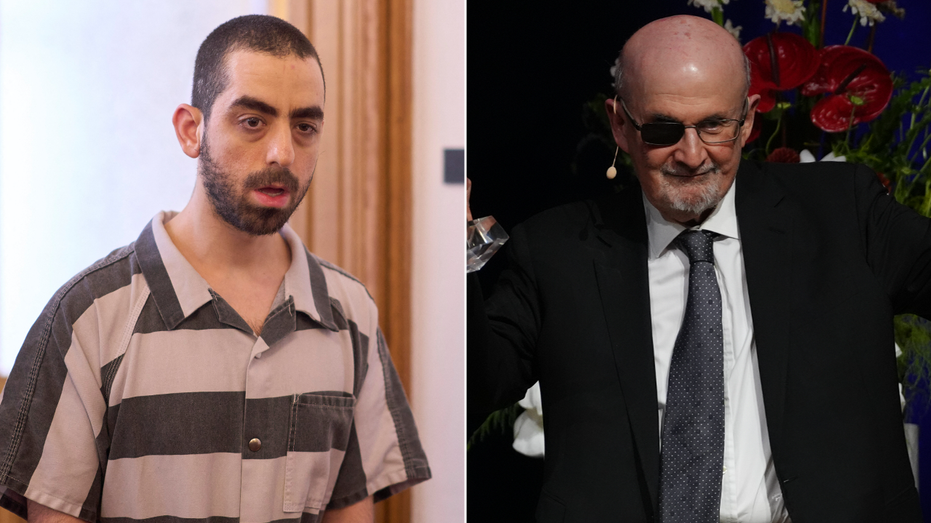
Salman Rushdie attacker convicted of federal terrorism charges for Iran fatwa
Hadi Matar found guilty of federal terrorism charges for attacking Salman Rushdie, motivated by an Iranian fatwa.
Hadi Matar, the assailant who attacked acclaimed author Salman Rushdie in New York, has been convicted on federal terrorism charges. The verdict, reached by a jury, establishes that Matar’s attack was motivated by a fatwa issued by Iran.
The conviction marks a significant legal development following the brutal assault that occurred in August 2022. Rushdie, who had lived in hiding for years due to the fatwa issued against him in 1989 by Iran's late Grand Ayatollah Ruhollah Khomeini, was stabbed multiple times on stage during a literary event in Chautauqua, New York.
Prosecutors presented evidence during the trial detailing Matar's intent and the ideological underpinnings of his actions. They argued that Matar acted as an agent of the Iranian regime, seeking to carry out the decades-old religious decree against the author. The jury found Matar guilty of providing material support to a designated foreign terrorist organization and attempting to provide material support to it, as well as committing violent acts in furtherance of an international religious hatred.
The conviction carries substantial penalties, reflecting the severity of the charges. The federal terrorism statutes under which Matar was found guilty are designed to prosecute individuals who engage in acts of violence in support of foreign terrorist organizations or to advance specific ideological or religious agendas. The sentencing phase will determine the exact length of his imprisonment.
Matar, a U.S. citizen, has maintained his innocence throughout the legal proceedings, though the jury ultimately rejected his defense. His motive, as established by the prosecution and affirmed by the jury's verdict, was directly linked to the Iranian fatwa, which called for Rushdie's death over his novel "The Satanic Verses."
The attack sent shockwaves through the literary and human rights communities, highlighting the persistent threat of violence against those targeted by religious or political extremism. Rushdie, though severely injured, has since spoken about his recovery and the impact of the attack.
This conviction underscores the legal framework in place to combat terrorism and hold individuals accountable for acts inspired by foreign directives. It also brings a measure of closure to the legal aspect of a case that has long symbolized the struggle for freedom of expression against threats of violence.
The case's resolution through the federal court system emphasizes the transnational nature of such threats and the United States' commitment to prosecuting acts of terrorism on its soil, regardless of their origin.
This article was written by AI based on publicly available news reporting. Original reporting by the linked source.