Senate Committee Votes to Hold Dr. Anthony Fauci in Contempt of Congress
A Senate committee voted to hold Dr. Anthony Fauci in contempt after he invoked the Fifth Amendment during a hearing on COVID-19.
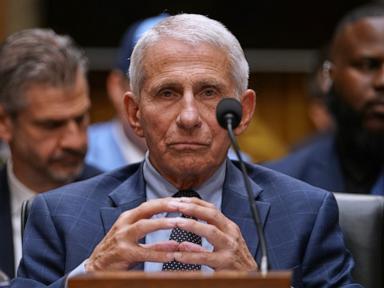
Republicans on the Senate Homeland Security and Governmental Affairs Committee voted 8-5 on Thursday to hold Dr. Anthony Fauci in contempt of Congress. The party-line vote followed Fauci's invocation of the Fifth Amendment, refusing to answer questions during a hearing last week concerning his role in handling the COVID-19 pandemic and its origins.
This action stems from a contentious hearing where Dr. Fauci declined to respond to specific inquiries, citing his constitutional right against self-incrimination. The committee's Republican majority sought to compel his testimony on matters related to the pandemic's origins and the strategies employed during its management.
Committee Chair Sen. Rand Paul argued that Fauci's assertion of the Fifth Amendment was invalid due to a preemptive pardon issued by President Joe Biden. Paul stated that Fauci should not be able to refuse to answer questions after receiving such a pardon, especially after providing an opening statement. He questioned the legality of a witness defying a committee order to answer questions when they have been granted a federal pardon.
The resolution to hold Fauci in contempt is expected to proceed to the full Senate, where it would require 60 votes for passage. Given the current political landscape, it is considered unlikely to garner sufficient support. Democrats on the committee made several unsuccessful attempts to table the resolution during Thursday's session.
Ranking Member Sen. Gary Peters criticized the vote, warning that it could establish a damaging precedent that undermines the Senate's investigative capabilities and disregards established constitutional protections. Peters argued that a criminal contempt resolution is punitive and does not guarantee the witness will provide the desired answers or documents.
Peters also expressed strong disapproval of Senator Paul's suggestion to refer the contempt resolution directly to the Department of Justice. He described such a move as potentially more dangerous and unprecedented, highlighting concerns about the potential misuse of congressional authority and its impact on future investigations.
The committee's action raises questions about the balance between congressional oversight powers and an individual's constitutional rights. The invocation of the Fifth Amendment by public figures, particularly in the context of high-profile investigations, often sparks debate about the limits of such protections and the government's ability to obtain testimony.
Further developments will depend on the resolution's progress in the full Senate and any potential legal challenges or interpretations regarding the scope of presidential pardons and the Fifth Amendment privilege in congressional proceedings. The outcome could influence how future congressional hearings involving witnesses who invoke constitutional rights are conducted.
This article was written by AI based on publicly available news reporting. Original reporting by the linked source.