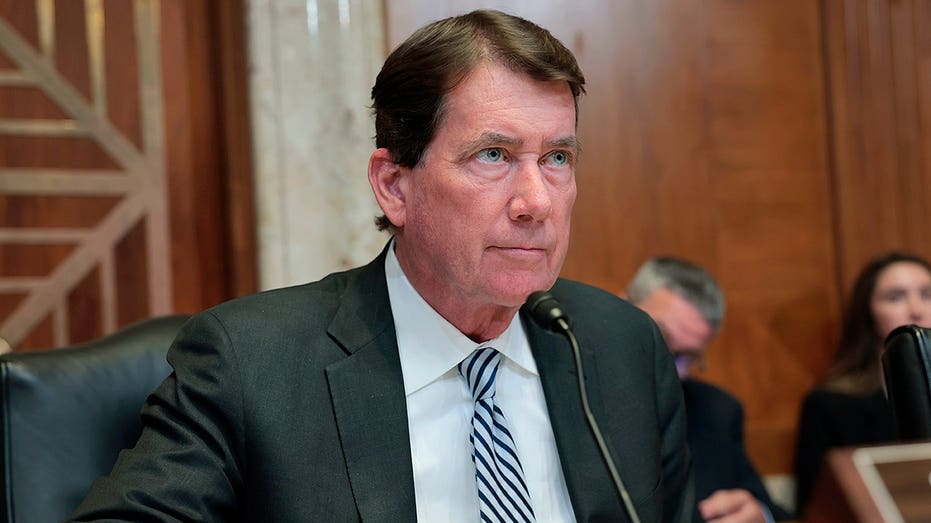
Senator Hagerty's Bill Targets Taxpayer-Funded Housing for Illegal Immigrants
Senator Bill Hagerty introduced legislation to stop federal housing benefits for undocumented immigrants, citing taxpayer concerns.
Senator Bill Hagerty has introduced a new bill aimed at preventing undocumented immigrants from receiving housing benefits funded by taxpayers. The legislation targets the Department of Housing and Urban Development (HUD) and seeks to halt the allocation of federal housing assistance to individuals who are not legally present in the United States.
This move comes amid ongoing debates surrounding immigration policy and the allocation of federal resources. Critics of current policies argue that taxpayer money should not be used to provide housing for those who have not entered the country through legal channels. Senator Hagerty's office has stated that the bill is a response to concerns raised by constituents and the broader public regarding the financial implications of such programs.
The proposed bill, if passed, would significantly alter the eligibility criteria for various HUD programs, explicitly excluding individuals without legal immigration status. The exact scope and potential impact on existing beneficiaries remain a subject of discussion, but the intent is to redirect funds and resources towards citizens and legal residents.
The implications of this legislation could be far-reaching, potentially affecting thousands of individuals and families. Proponents of the bill argue it is a necessary step to ensure fiscal responsibility and uphold immigration laws. Opponents, however, raise concerns about the humanitarian impact and the potential for increased homelessness among vulnerable populations.
Senator Hagerty has been vocal about his stance on border security and immigration, often linking it to national security and economic stability. His bill reflects a broader conservative push to re-evaluate and tighten policies related to immigration and social welfare programs. The focus on housing benefits highlights a specific area where federal funding intersects with immigration status.
Discussions around the bill are expected to be contentious, with various advocacy groups and lawmakers on both sides of the political spectrum weighing in. The Congressional Budget Office will likely provide an analysis of the bill's financial impact, which will be a key factor in its legislative journey. The debate is anticipated to touch upon the definition of 'public charge' and the responsibilities of the federal government towards non-citizens.
This legislative effort is part of a larger pattern of policy proposals aimed at addressing the complexities of the U.S. immigration system. As the country continues to grapple with border issues and internal immigration debates, bills like Senator Hagerty's are likely to remain at the forefront of political discourse.
Further details on the bill's specific provisions, including any potential exemptions or transition periods, will become clearer as it moves through the legislative process. The outcome will depend on negotiations and votes in both the Senate and the House of Representatives.
This article was written by AI based on publicly available news reporting. Original reporting by the linked source.