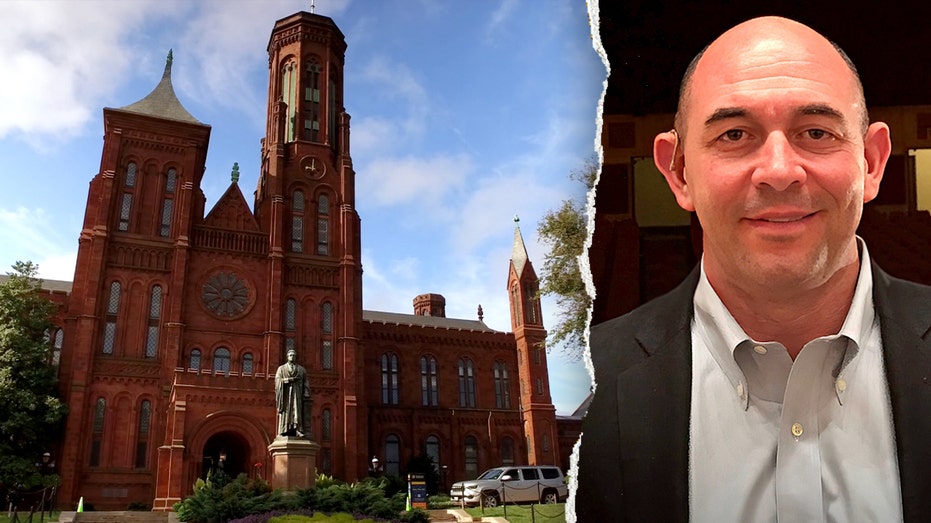
Smithsonian Faces Scrutiny Over Documentary Screening Dispute
The Smithsonian's National Museum of African American History and Culture declined to screen a documentary, sparking debate about its commitment to diverse viewpoints.
The Smithsonian's National Museum of African American History and Culture (NMAAHC) has become the center of a dispute over its decision not to publicly screen the documentary "White Guilt." The film, which explores racial dynamics and societal issues, was reportedly offered to the museum for a screening, but the institution declined.
This decision has ignited a debate about the Smithsonian's role in presenting a broad spectrum of perspectives, particularly on sensitive topics related to race and identity. Critics argue that museums, especially those dedicated to African American history and culture, should provide platforms for a wide range of viewpoints, even those that may be challenging or controversial.
The filmmakers of "White Guilt" expressed their disappointment, suggesting that the museum's refusal raises questions about its commitment to open dialogue. They believe their film offers a valuable contribution to the ongoing conversation about race in America and that its exclusion limits the scope of discussions the museum facilitates.
The controversy highlights the delicate balance museums must strike between curating content that aligns with their mission and ensuring they do not shy away from potentially divisive but important topics. The NMAAHC's decision could have implications for how it approaches future programming and its engagement with complex social issues.
While the specific reasons for the museum's refusal were not detailed, such decisions often involve considerations of curatorial focus, audience reception, and alignment with the institution's broader objectives. Museums frequently face pressure to engage with contemporary issues, but the selection process for exhibitions and screenings is complex.
Past controversies at cultural institutions have often centered on the perceived political leanings or historical interpretations presented in their programming. The Smithsonian, as a prominent national museum, is often under increased scrutiny due to its visibility and its mandate to serve a diverse public.
This incident raises broader questions about who determines what constitutes the "right kind" of discourse within cultural institutions, particularly when discussing race. The debate is likely to continue as stakeholders weigh the museum's responsibilities against the desire for unfettered artistic and intellectual expression.
Further engagement from the public and potentially further statements from the museum are anticipated as the implications of this screening dispute are explored.
This article was written by AI based on publicly available news reporting. Original reporting by the linked source.