Stalled Ships Near Hormuz Threaten Invasive Species Catastrophe
Over 1,500 idle ships near the Strait of Hormuz risk spreading invasive marine species globally, scientists warn.
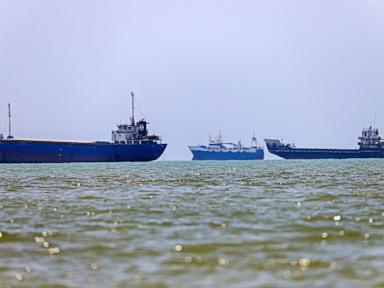
An ecological catastrophe looms as over 1,500 ships remain stalled in the Persian Gulf and hundreds more in the Gulf of Oman due to ongoing conflict-related traffic disruptions near the Strait of Hormuz, scientists have warned. The prolonged stationary periods of these vessels create ideal conditions for biofouling, a process where marine organisms attach to hulls and are then transported to new ecosystems worldwide.
The Strait of Hormuz, a critical chokepoint for approximately 20% of the world's oil supply, has been a focal point of contention since hostilities with Iran escalated in February. In response to the conflict, Iran has intermittently restricted tanker traffic through the vital waterway, which connects the Persian Gulf to the Gulf of Oman.
According to a paper published in the journal *Biological Invasions*, this extensive idling could lead to a "super-spreader event" for invasive species. The accumulation of microorganisms, algae, plants, and invertebrates on ship hulls, known as biofouling, allows these organisms to hitchhike on commercial vessels as they travel between ports.
Mario Tamburri, a marine ecologist at the University of Maryland's Center for Environmental Science and lead author of the study, explained that once invasive species establish themselves in a foreign ecosystem, their eradication is nearly impossible. These organisms can inflict millions of dollars in damage and significantly impact commercial operations such as aquaculture and fisheries, while also altering the environment.
The potential global reach of these invasive species is substantial. The study highlights that the entire shipping network involves over 3,000 unique ships making hundreds of thousands of port calls annually. Data presented in the paper illustrates the extensive global connectivity of commercial shipping traffic originating from the Gulf region, indicating a high potential for widespread dispersal.
An illustrative example of the destructive potential of invasive species is the case of zebra mussels. Native to the Caspian and Black Seas, they rapidly spread throughout the Great Lakes in the 1980s and have since infiltrated rivers across North America, including the Mississippi and St. Croix Rivers. Their continued spread to the West Coast is attributed to human transport, and efforts to combat them have been ongoing for five decades.
While commercial ships are typically coated with anti-fouling paint designed to prevent such biological growth, the extended and widespread immobility of vessels due to the Hormuz situation may overwhelm the efficacy of these protective measures. The sheer number of stalled vessels and the duration of their stationary periods present an unprecedented challenge.
Scientists are emphasizing the urgent need to understand and mitigate the ecological risks associated with this unprecedented maritime congestion. The long-term consequences of a large-scale invasive species introduction could be severe and enduring, impacting marine biodiversity and economic activities globally.
This article was written by AI based on publicly available news reporting. Original reporting by the linked source.