Starmer Apologizes for Forced Adoptions: 185,000 Babies Separated From Mothers
Sir Keir Starmer formally apologized for historical forced adoptions, calling the practice a 'stain on our history' affecting 185,000 children.
Sir Keir Starmer delivered a formal apology on behalf of the British state in the House of Commons on July 2, 2026, for historical forced adoptions in England and Wales. An estimated 185,000 babies were taken from their mothers during the 1950s, 1960s, and 1970s, often under pressure due to the mothers being unmarried.
This apology addresses a long-standing grievance for many mothers, adoptees, and their families who have campaigned for recognition and redress. The practice involved coercion, bullying, and misinformation, leading mothers to believe they had no alternative but to relinquish their children. The forced adoptions were not isolated incidents but were embedded practices within local authorities, religious organizations, and parts of the National Health Service.
"The shame is not yours. The shame was never yours. The shame is ours," Starmer stated, acknowledging the profound and lasting impact on tens of thousands of mothers, children, and families. He expressed deep sorrow to mothers who were deemed unfit to care for their children and have carried the burden of loss for decades. He emphasized that these institutions operated with power but lacked compassion, consent, dignity, and proper safeguards.
In response, Conservative shadow minister Alex Burghart echoed Starmer's sentiment, agreeing that historical forced adoption was a "stain on our history." He noted that while former practices are now "mercifully alien to us today," their impact has left a permanent mark on all involved. The Department of Education will establish support groups for mothers and adopted adults.
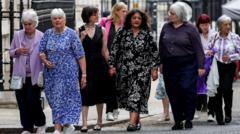
Campaigners, including former Labour MP Ann Keen, met with the Prime Minister at Downing Street prior to the apology. Keen, who was sent to a mother and baby home at 17 in 1966 and had no say in her son's adoption, expressed her anticipation for the apology to release her from "shame." She highlighted that mothers were often wrongly accused of abandoning their babies, when in reality, they had no choice.
Keen, a former health minister, acknowledged that an apology had been a long time coming but stated that the government had done its best given the complexity of the issue. The formal apology aims to provide a sense of closure and recognition for those affected by these deeply traumatic experiences.
The parliamentary reports into forced adoptions have been crucial in bringing this issue to the forefront, leading to this official acknowledgment of past wrongs. The government's commitment to establish support groups signifies a step towards addressing the ongoing needs of those impacted by these historical practices.
While the apology offers a formal acknowledgment, the long-term implications for adoptees seeking information about their birth families and the ongoing healing process for mothers will continue to be a focus. The scale of the issue, affecting an estimated 185,000 individuals, underscores the profound societal impact of these past policies.
This article was written by AI based on publicly available news reporting. Original reporting by the linked source.