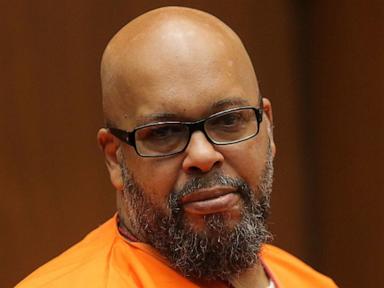
Suge Knight refuses to testify in Tupac Shakur murder trial
Suge Knight, the last eyewitness to Tupac Shakur's murder, stated he will not testify in the upcoming trial of Duane "Keffe D" Davis.
Marion "Suge" Knight, the former head of Death Row Records and the sole living eyewitness to the 1996 assassination of Tupac Shakur, has declared he will not cooperate with law enforcement in the upcoming murder trial of Duane "Keffe D" Davis.
Knight, currently serving a 28-year sentence for a separate 2015 fatal hit-and-run, stated in an interview with ABC News that the trial has "nothing to do with me" and warned that his involvement, if compelled, would not benefit either the prosecution or the defense.
The 61-year-old Knight, who was driving the vehicle in which Shakur was shot, has consistently refused to assist authorities in the investigation. He previously told ABC News that he "don't get paid to solve homicides." His stance remains unchanged despite the impending trial of Davis, a former Crips gang leader accused of ordering the shooting of Shakur.
Jury selection is set to begin Monday in Las Vegas for Davis's trial, nearly 30 years after Shakur died from gunshot wounds sustained in a drive-by shooting. Prosecutors allege that Davis orchestrated the attack as retaliation for an earlier fight.
The incident occurred on September 7, 1996, after Shakur and Knight attended a Mike Tyson boxing match in Las Vegas. In the MGM Grand casino lobby, they encountered Orlando "Baby Lane" Anderson, Davis's nephew, who had allegedly been involved in an earlier attempt to steal a Death Row Records pendant.
Knight's refusal to testify leaves prosecutors without the testimony of the man who was present during the fatal encounter and the subsequent shooting. Davis's defense team may seek to subpoena Knight, though Knight has indicated he would resist such an effort.
Davis was arrested in September 2023 in connection with Shakur's murder, a case that has remained unsolved for decades. His indictment marked a significant development in one of hip-hop's most enduring mysteries.
The legal proceedings against Davis are expected to shed further light on the complex circumstances surrounding Shakur's death, though Knight's silence ensures one crucial perspective will remain absent from the courtroom.
This article was written by AI based on publicly available news reporting. Original reporting by the linked source.