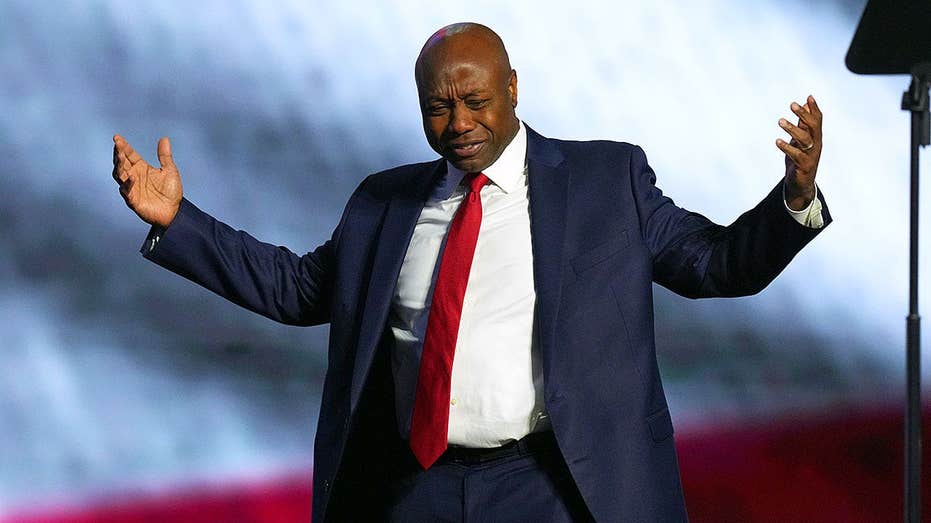
Tim Scott Slams 'Morning Joe' for Mocking His GOP Speech
Senator Tim Scott accused 'Morning Joe' hosts of misrepresenting his convention speech, calling their criticism 'hiding from the truth'.
Senator Tim Scott has strongly criticized the hosts of MSNBC's "Morning Joe" program for what he described as mocking and misrepresenting his recent speech at the Republican National Convention. Scott, a prominent figure in the Republican party, accused the program of "hiding from the truth" in its coverage and commentary on his remarks.
The controversy stems from the "Morning Joe" panel's discussion following Scott's convention address, where he articulated his conservative vision and criticized Democratic policies. According to reports, the MSNBC hosts offered a critical take on Scott's speech, which he and his supporters viewed as a deliberate attempt to diminish his message and character.
In response to the criticism, Scott stated that the "Morning Joe" hosts were avoiding a genuine engagement with the substance of his speech. He suggested that their commentary was not a fair assessment but rather a dismissal rooted in a refusal to acknowledge the points he raised. This exchange highlights the often-contentious relationship between political figures and media outlets that cover their public statements.
Scott's rebuttal implies a broader concern about media bias and the way political discourse is framed on cable news. By accusing the program of "hiding from the truth," he is suggesting that the hosts deliberately omitted or distorted facts to fit a particular narrative. This accusation underscores the deep divisions in how political events and speeches are perceived and reported across different media platforms.
The senator's response has drawn attention from various political commentators and media watchdogs, with some supporting his critique of the "Morning Joe" panel's approach. Others, however, defend the hosts' right to offer their critical analysis of political speeches, arguing that such commentary is a normal part of political journalism.
This incident is part of a larger pattern of political figures engaging with media criticism, often using platforms like social media or interviews on friendly networks to push back against unfavorable coverage. The dynamic between politicians and the press remains a central element of the political landscape, shaping public perception and influencing political narratives.
Scott's strong reaction suggests that he believes his message resonated with a significant audience, and he views the criticism from "Morning Joe" as an attempt to undermine that connection. The senator's stance indicates a willingness to directly confront media outlets he perceives as unfair, framing the debate as one of truth versus distortion.
As the political season progresses, such exchanges are likely to continue, reflecting the ongoing battle for narrative control and public opinion. The differing interpretations of Scott's speech and the subsequent media reactions underscore the polarized media environment in which political communication now takes place.
This article was written by AI based on publicly available news reporting. Original reporting by the linked source.