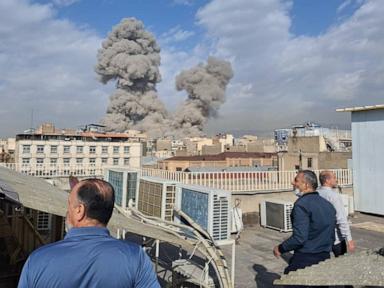
Trump Addresses UN Amidst 8-Month Iran War, Global Economic Strain
President Trump will address the UN General Assembly and meet Gulf leaders as the Iran war impacts global oil prices and regional stability.
President Donald Trump is scheduled to address the United Nations General Assembly in New York City as the conflict with Iran nears its eighth month, significantly impacting global oil prices and Middle East stability. The President will also hold crucial meetings with leaders from Gulf nations on the sidelines of the 81st session of the UN General Assembly, which commences its general debate on Tuesday.
This high-stakes gathering occurs as the war with Iran, initially projected by Trump to last four to six weeks, continues to disrupt international commerce and heighten geopolitical tensions. The economic fallout, particularly concerning oil prices, has been a growing concern, exacerbated by recent Houthi targeting of Saudi Arabia, a key player in global energy markets.
U.S. Ambassador to the UN Mike Waltz highlighted the importance of these meetings, stating in a CNN appearance that the President "truly values hearing from them and hearing their concerns directly." Discussions are expected to focus on maintaining freedom of navigation through vital shipping channels like the Strait of Hormuz and the Bab al-Mandeb Strait, which have faced attacks on cargo.
The conflict's prolonged nature and its global ramifications are expected to dominate discussions, with many leaders hoping to find a path toward resolution. Despite the ongoing conflict, top Iranian officials are slated to attend the assembly, though specific delegation members have not been publicly identified. U.S. officials confirmed that President Masoud Pezeshkian of Iran will be permitted to attend, but there are currently no plans for a meeting between him and President Trump.
The summit also takes place against the backdrop of a recent UN report asserting "reasonable grounds to believe" that U.S. strikes in Iran, targeting a girls' school and a sports center, may have constituted a war crime due to civilian casualties. A State Department official, however, dismissed these findings, stating that the administration does not find them credible. This stance echoes the U.S. withdrawal from the UN Human Rights Council, which the State Department characterized as appeasing repressive regimes and promoting anti-American rhetoric.
President Trump's agenda at the UN also includes bilateral meetings with other world leaders. He is set to meet with French President Emmanuel Macron on Monday. Additionally, the President will meet with New York City Mayor Zohran Mamdani at Gracie Mansion on Monday, further underscoring the multi-faceted nature of his engagements during the visit.
The ongoing war and its economic consequences, coupled with the UN report and diplomatic engagements, position the UN General Assembly as a critical forum for addressing pressing global security and economic issues. The effectiveness of these discussions in de-escalating the conflict and stabilizing markets remains a key question.
Leaders from the United Kingdom, including Prime Minister Andy Burnham, and France, represented by President Macron, are also expected to deliver speeches during the general debate, adding further weight to the international discourse on the Iran conflict and its broader implications for global order.
This article was written by AI based on publicly available news reporting. Original reporting by the linked source.