Trump Blames Canada for 'Filthy Air' Invading US
President Trump attributes the thick wildfire smoke blanketing parts of the US to Canadian environmental policies, warning of potential impacts on the World Cup final.
U.S. President Donald Trump has directly blamed Canada for the pervasive wildfire smoke that has significantly degraded air quality across large swaths of the United States, describing the situation as an "invasion of filthy air." The President's remarks come as dense smoke, originating from extensive wildfires in Canada, has caused hazardous air conditions in numerous American cities, impacting daily life and raising health concerns.
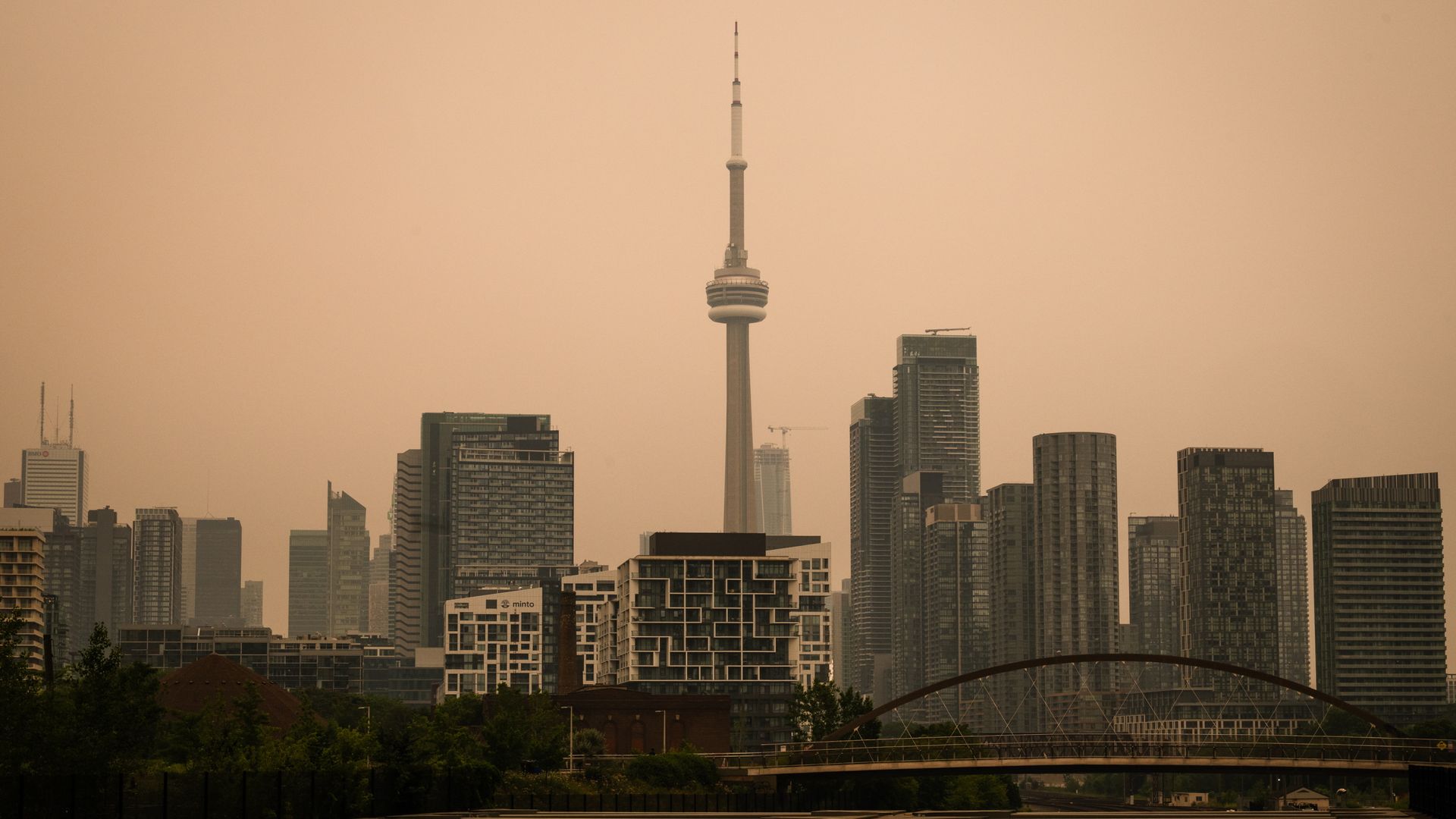
The unprecedented air quality crisis has led to widespread advisories, urging millions of Americans to stay indoors and limit outdoor activities. The smoke has created an eerie, hazy sky, obscuring landmarks and impacting visibility, with some areas experiencing air quality levels among the worst ever recorded. This environmental event has drawn national attention and prompted the President to voice strong criticism towards Canada's environmental management.
President Trump stated that Canada's approach to environmental regulations and wildfire management is responsible for the current predicament. He expressed concern that the poor air quality could even affect major public events, citing the World Cup final as an example of an event that might be impacted by the hazardous atmospheric conditions. The administration has indicated that it is monitoring the situation closely.
The implications of this cross-border air pollution extend beyond immediate health warnings. The President's statements signal a potential shift in diplomatic relations regarding environmental cooperation and could lead to increased pressure on Canada to address its wildfire situation and emissions. The long-term effects on bilateral relations and environmental policy remain to be seen.
This is not the first time environmental issues have become a point of contention between the two neighboring countries. Historically, cross-border pollution, including acid rain and air quality concerns, has been a recurring challenge. However, the scale and severity of the current smoke event, coupled with direct presidential blame, mark a significant escalation in the rhetoric.
Officials from both countries are reportedly engaged in discussions to manage the situation. While Canada has acknowledged the severity of its wildfire season, attributing it to a combination of dry conditions and high temperatures, the focus of the U.S. administration appears to be on policy and preventative measures. The economic impact, including disruptions to outdoor businesses and events, is also a growing concern.
Experts in atmospheric science and public health have emphasized the complex nature of wildfire smoke, noting that it can travel thousands of miles. They have also highlighted the importance of international cooperation in addressing transboundary pollution. The current event underscores the interconnectedness of environmental challenges across borders.
As the smoke continues to linger, questions remain about the long-term strategies for wildfire prevention and mitigation in Canada, and how this incident might shape future environmental policy and diplomatic engagement between the United States and Canada. The health and safety of millions of citizens remain the paramount concern amidst the ongoing atmospheric disruption.
This article was written by AI based on publicly available news reporting. Original reporting by the linked source.