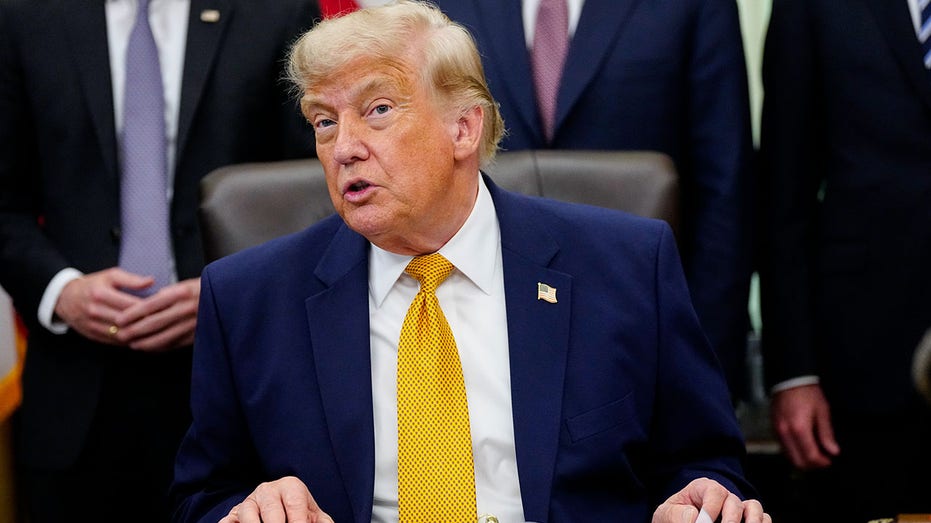
Trump Poised to Sign Housing Bill Targeting Wall Street Investors
Congress passed a bipartisan housing bill aimed at institutional investors, sending it to President Trump for his signature.
President Donald Trump is set to sign landmark legislation designed to curb the influence of large institutional investors in the housing market. Congress overwhelmingly passed the 21st Century ROAD to Housing Act in a bipartisan vote, marking a significant victory for the Trump administration's efforts to address rising housing costs.
The legislation comes amid growing concern over the increasing presence of private equity firms and other large financial institutions purchasing single-family homes, which critics argue drives up prices and reduces opportunities for individual homebuyers. The bill aims to rebalance the market by introducing new regulations and incentives.
Key provisions of the 21st Century ROAD to Housing Act include measures to discourage bulk purchasing of homes by institutional investors and to promote pathways for individual ownership. While specific details of the incentives and regulations are still emerging, the act signals a clear intent from lawmakers to intervene in a market increasingly dominated by corporate entities.
The passage of the bill is expected to have significant implications for the real estate sector, potentially altering investment strategies for large financial players. It also represents a win for the administration, which has made affordable housing a central theme of its domestic policy agenda.
Supporters of the act argue that it is a necessary step to ensure that housing remains accessible to families rather than becoming a primary asset class for Wall Street. They point to rising rents and home prices as evidence that the market is failing ordinary Americans, with institutional investors exacerbating the problem.
Opponents, primarily from the real estate investment industry, have raised concerns that the legislation could stifle investment and negatively impact the supply of rental housing. They argue that institutional investors provide essential capital and management expertise that can improve and maintain properties.
The bipartisan nature of the vote underscores a rare moment of consensus in a divided Congress, reflecting broad agreement on the need to address the challenges in the housing market. Both Republican and Democratic lawmakers have expressed a desire to make homeownership more attainable.
As the bill now heads to President Trump's desk, attention will turn to its implementation and its actual impact on housing prices and market dynamics. Unresolved questions remain about the precise mechanisms of the regulations and incentives, and how effectively they will counterbalance the market forces that have favored large investors.
This article was written by AI based on publicly available news reporting. Original reporting by the linked source.