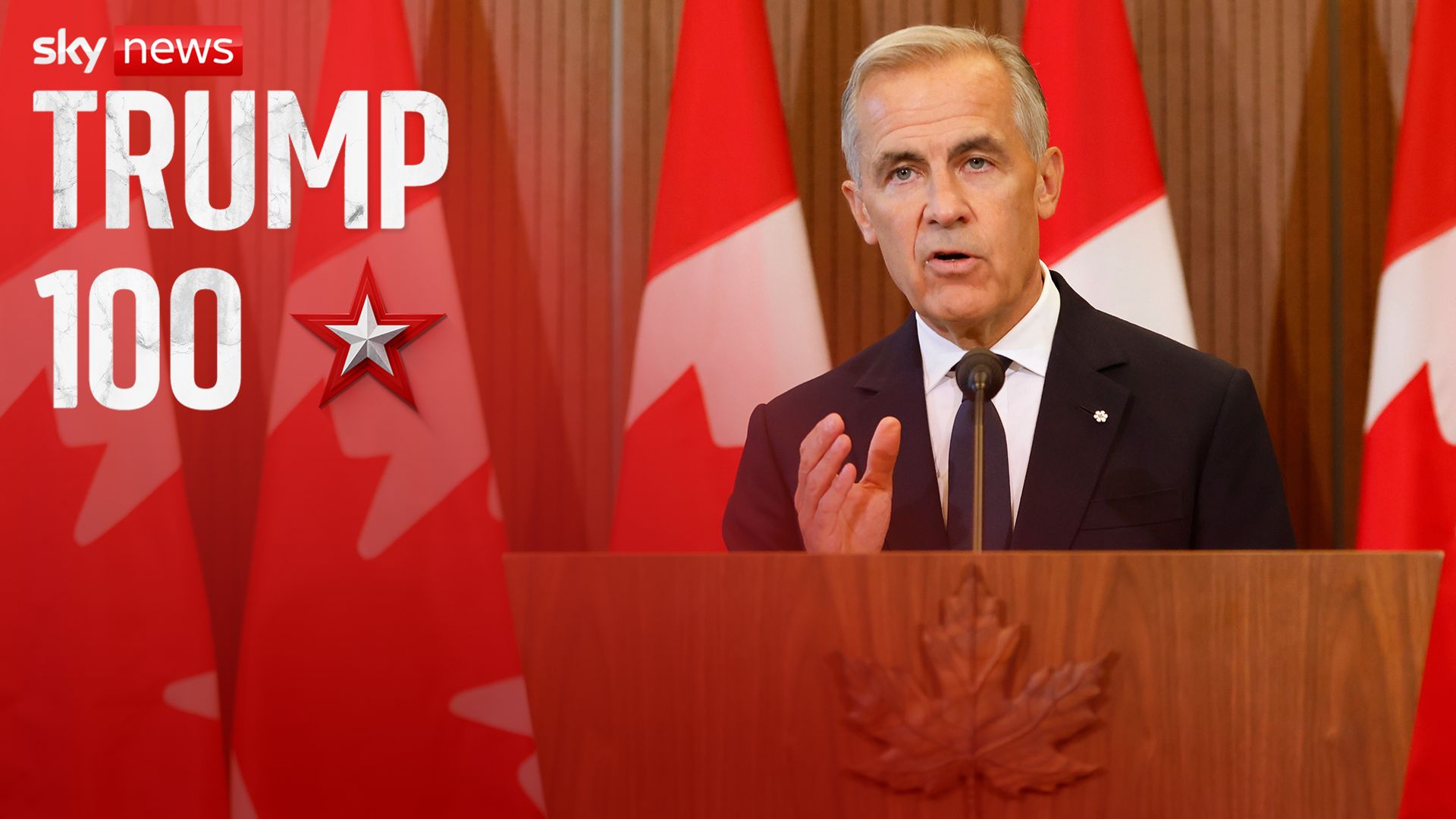
Trump Imposes Tariffs on Neighboring Canada, Sparking Trade Dispute
Former President Trump's administration enacted tariffs on Canadian goods, leading to retaliatory measures and significant trade friction.
The United States, under the leadership of former President Donald Trump, initiated a significant shift in its trade relationship with Canada by imposing tariffs on key Canadian imports. This move, announced during Trump's presidency, targeted specific sectors and goods, fundamentally altering the long-standing trade dynamics between the two neighboring nations.
The decision to impose tariffs was presented by the Trump administration as a measure to protect American industries and workers from what it deemed unfair trade practices. The rationale centered on addressing trade imbalances and ensuring that American businesses could compete more effectively on a global scale, even with close allies.
Key sectors affected by the tariffs included steel and aluminum, with the administration citing national security concerns as part of the justification. Canadian officials and industry leaders expressed strong opposition, arguing that the tariffs were unjustified and would harm both economies. This led to swift retaliatory measures from Canada, further escalating the trade dispute.
The implications of these tariffs extended beyond immediate economic impacts. They created uncertainty for businesses involved in cross-border trade and raised questions about the future of North American economic integration. Experts warned of potential disruptions to supply chains and a broader chilling effect on international commerce.
The imposition of tariffs on Canada marked a departure from decades of relatively stable trade relations, often characterized by cooperation rather than confrontation. The North American Free Trade Agreement (NAFTA), and its successor the United States-Mexico-Canada Agreement (USMCA), had historically provided a framework for managing trade, but the tariff actions signaled a willingness to unilaterally alter these arrangements.
Canadian Prime Minister Justin Trudeau and his government consistently voiced their disappointment and disagreement with the U.S. actions. They emphasized the interconnectedness of the two economies and the mutual benefits derived from open trade. The retaliatory tariffs imposed by Canada were designed to mirror the impact of the U.S. measures, aiming to put pressure on the U.S. administration to reconsider its stance.
Businesses on both sides of the border grappled with the new economic landscape. Manufacturers relying on imported components faced increased costs, while exporters found their products becoming less competitive. The uncertainty generated by the ongoing trade dispute also deterred new investments and expansion plans.
Ultimately, the tariff dispute left unresolved questions about the long-term strategy for managing international trade relationships. While some of the specific tariff measures were eventually altered or removed under subsequent administrations, the period highlighted the vulnerability of established trade partnerships to unilateral policy shifts and the complex interplay of economic and political considerations in global commerce.
This article was written by AI based on publicly available news reporting. Original reporting by the linked source.