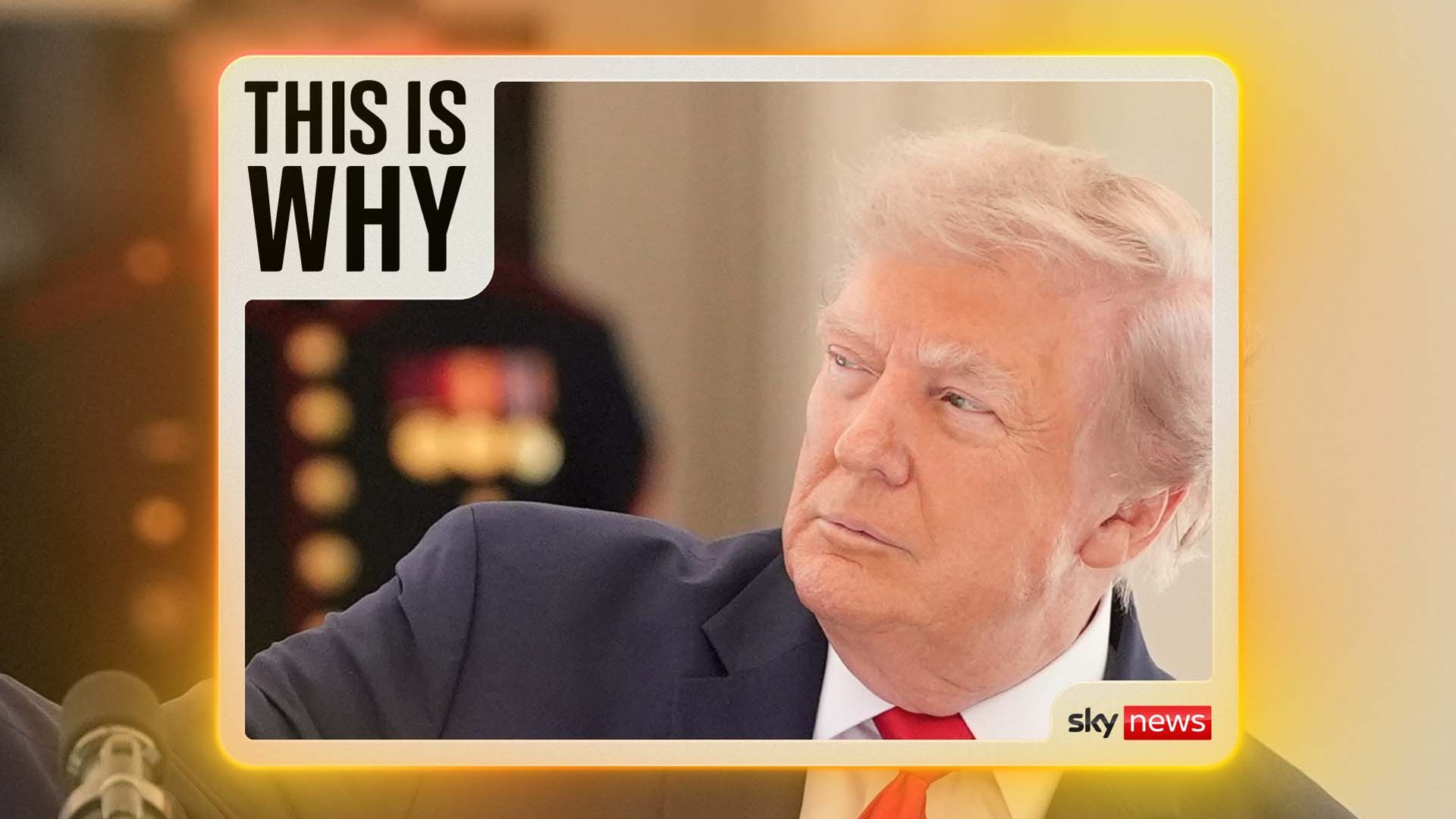
Trump Risks 'Forever War' with Iran, Experts Warn
President Trump's actions toward Iran risk escalating into a prolonged conflict, according to analysis.
President Donald Trump's recent actions and rhetoric concerning Iran are raising concerns among foreign policy experts about the potential for a prolonged and escalating conflict, often termed a 'forever war.' The administration's policy shift has moved away from de-escalation and towards a more confrontational stance, prompting debate about the long-term implications.
This shift in strategy comes at a time of heightened tensions in the Middle East. The region has long been a focal point of geopolitical instability, and any significant escalation involving a major power like the United States and a regional player like Iran could have far-reaching consequences. Analysts suggest that the current trajectory could lead to unintended consequences, trapping the U.S. in a protracted engagement.
The core of the concern lies in the potential for miscalculation and the gradual entanglement in a conflict that is difficult to exit. Experts point to the historical precedent of U.S. military interventions in the Middle East, which have often lasted for decades and incurred significant human and financial costs. The current approach, characterized by increased pressure and military posturing, is seen by some as a pathway to such an outcome.
Looking ahead, the implications of this policy could extend beyond the immediate Iran-U.S. dynamic. A wider conflict could destabilize regional economies, exacerbate humanitarian crises, and further complicate diplomatic efforts to address other pressing global issues. The risk of a 'forever war' implies a sustained commitment of resources and personnel with uncertain strategic gains.
While the source material does not detail specific policy actions, it references an analysis that suggests the risk of a prolonged conflict is significant. This perspective implies that the current administration's approach may not be adequately accounting for the potential for sustained engagement, a common characteristic of 'forever wars.'
Previous administrations have grappled with the complexities of Iran policy, often oscillating between engagement and pressure. The current administration's emphasis on maximum pressure, however, appears to be deepening the divide and increasing the likelihood of a sustained adversarial relationship rather than a resolution.
Experts who have analyzed the situation suggest that a key factor in avoiding a protracted conflict would be a clear strategy for de-escalation and a defined end goal. Without such clarity, the risk of incremental escalation and prolonged involvement remains high, mirroring patterns observed in past U.S. military engagements.
The ultimate outcome remains uncertain, but the warnings from policy analysts underscore the gravity of the current geopolitical climate and the potential for the situation with Iran to evolve into a long-term, resource-intensive conflict.
This article was written by AI based on publicly available news reporting. Original reporting by the linked source.