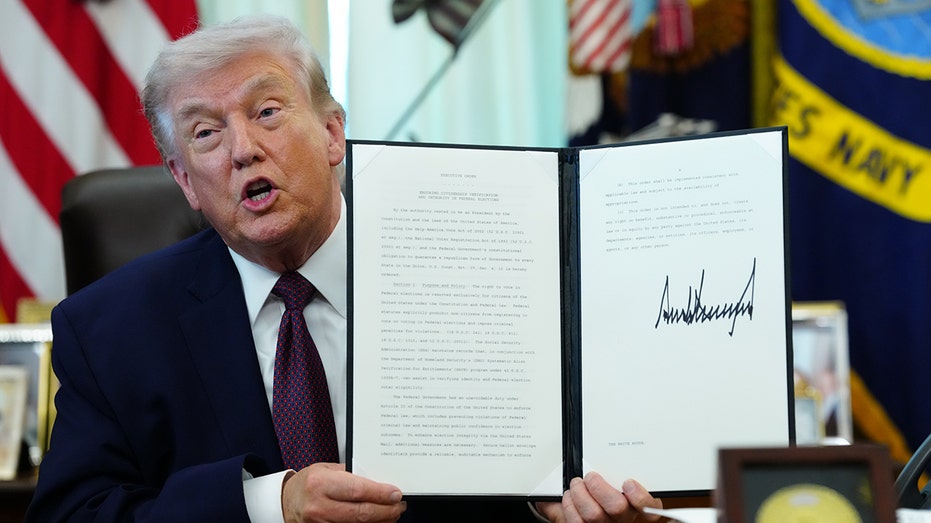
Trump slams Supreme Court 'disaster' after mail-in voting ruling
Donald Trump criticized the Supreme Court as a "disaster" following their decision against him on mail-in voting rules.
Former President Donald Trump has sharply criticized the Supreme Court, labeling it a "disaster" after the justices ruled against him regarding mail-in voting. The ruling, which impacts how mail-in ballots are handled, was met with vocal disapproval from the former president.
This latest legal challenge centers on the procedures and validity of mail-in ballots, a voting method that has been a significant point of contention in recent election cycles. The Supreme Court's decision addresses specific aspects of how these ballots are managed, a move that has direct implications for election integrity debates.
Trump expressed his strong dissatisfaction with the outcome, suggesting the court's decision was unfavorable to his position on election security. He has consistently raised concerns about the potential for fraud in mail-in voting, advocating for stricter measures to ensure ballot integrity.
The implications of the ruling are expected to be felt across various states as election officials interpret and implement the court's guidance. The decision could influence how mail-in ballots are processed, verified, and counted in future elections, potentially impacting voter access and election outcomes.
Legal experts have noted that the Supreme Court's involvement in such cases underscores the ongoing legal battles surrounding voting procedures in the United States. The court's rulings on election-related matters often set precedents that shape electoral practices nationwide.
This particular ruling comes amid a broader landscape of legal challenges and political discussions concerning election administration. The debate over mail-in voting has been amplified by differing views on its security and accessibility, with various stakeholders offering contrasting perspectives.
Further analysis of the ruling will likely involve examining its specific provisions and how they align with or diverge from existing state election laws. The reaction from both proponents and opponents of expanded mail-in voting will continue to shape the public discourse.
Questions remain about the long-term impact of this decision on voter confidence and the administration of elections. The interplay between judicial rulings and legislative efforts to reform voting processes will be a key area to watch in the coming years.
This article was written by AI based on publicly available news reporting. Original reporting by the linked source.