Trump Reveals Qatar-Gifted Boeing 747 Converted to Air Force One
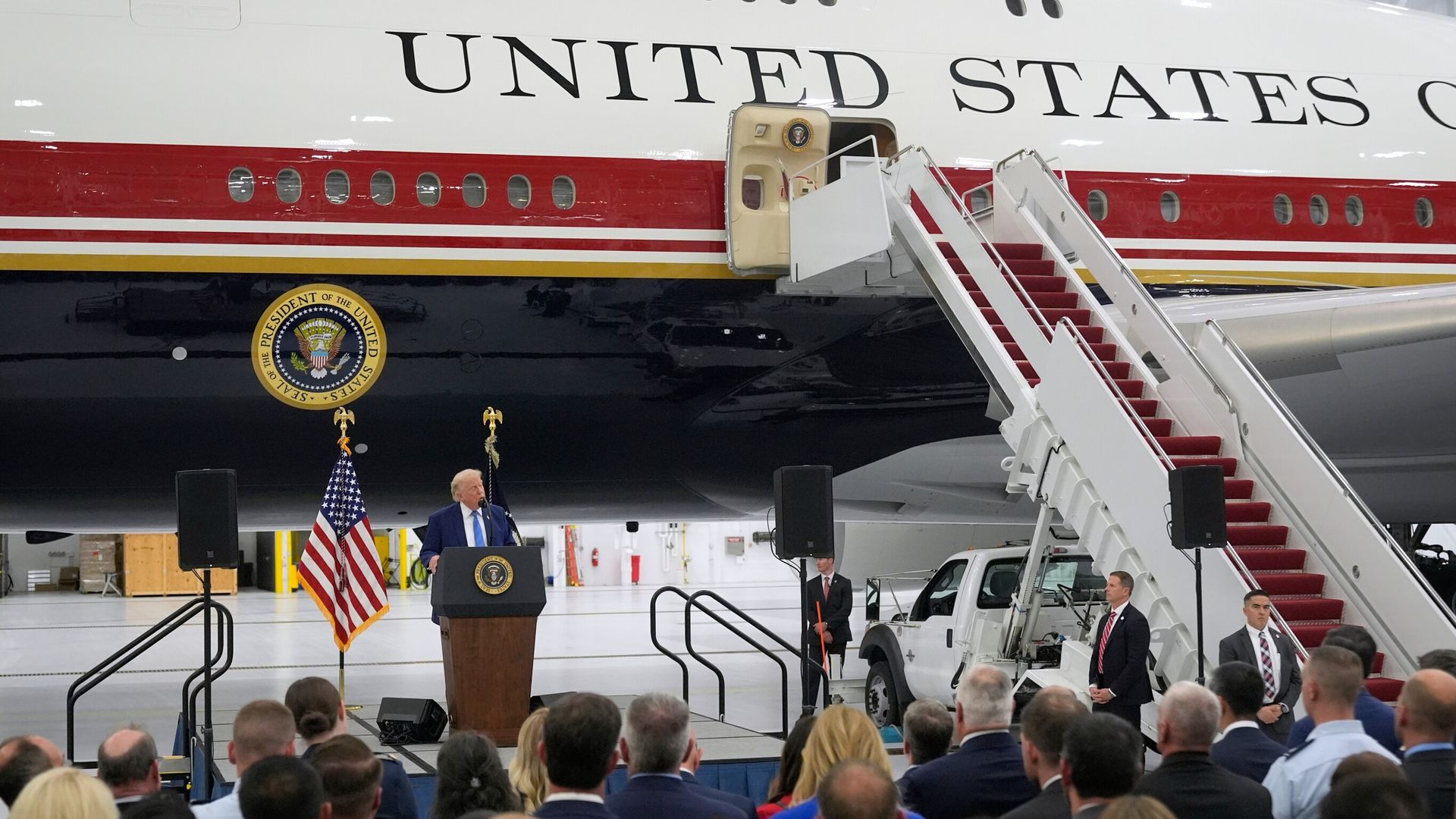
Donald Trump has unveiled a new Air Force One, a Boeing 747 gifted by Qatar and converted for presidential use.
Donald Trump has revealed a newly converted Boeing 747 aircraft, presented as a gift from Qatar, which has been transformed into the official U.S. presidential aircraft, Air Force One.
The unveiling marks a significant moment in the transition of presidential assets, showcasing a substantial upgrade to the existing fleet. The Boeing 747, a wide-body commercial jet, offers enhanced capabilities and a modern platform for presidential travel.
The aircraft was reportedly gifted by the nation of Qatar and subsequently underwent extensive modifications to meet the stringent requirements of Air Force One. While specific details about the conversion process and its cost were not immediately disclosed, the project represents a considerable investment in presidential transportation infrastructure.
This development raises questions about the logistics of presidential aircraft management and the role of international gifts in such high-profile government assets. The implications for future presidential travel and the security protocols associated with the aircraft are also points of discussion.
Historically, presidential aircraft, primarily Boeing 747s, have been a symbol of American power and presence. The current Air Force One fleet consists of two highly customized Boeing 747-200B aircraft, known for their advanced communication systems, defensive capabilities, and extensive living and working quarters.
The decision to upgrade or replace these aircraft is typically a multi-year process involving significant government oversight and budgetary allocations. The nature of this gift from Qatar introduces a unique element into the acquisition of such a critical national asset.
Details surrounding the terms of the gift, the specific modifications made to the aircraft, and the approval process for its integration into the presidential fleet are expected to be subjects of further scrutiny. The operational readiness and security features of the newly unveiled aircraft will be paramount.
As the United States navigates its international relations and defense procurements, the acceptance and conversion of such a significant gift will likely be examined by defense analysts and policymakers. Unresolved questions remain regarding the long-term maintenance, operational costs, and the precedent this sets for future presidential equipment acquisition.
This article was written by AI based on publicly available news reporting. Original reporting by the linked source.