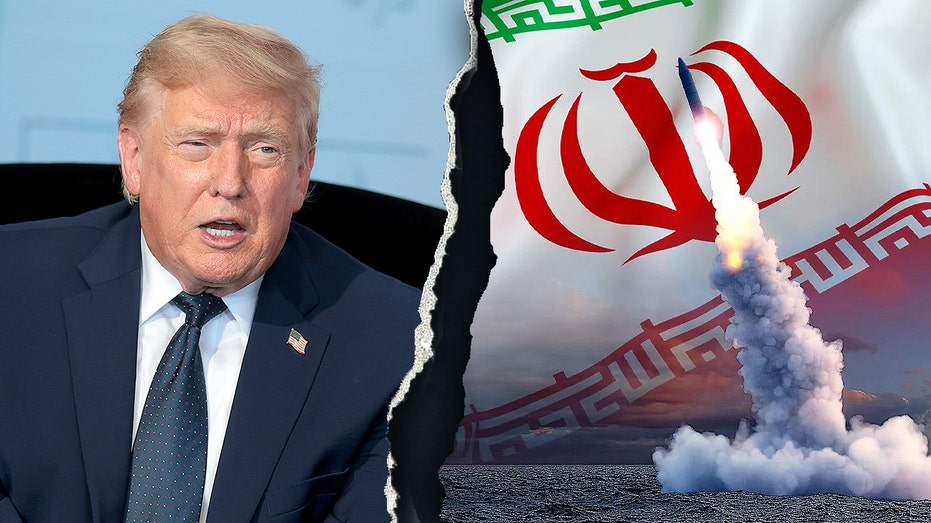
Trump Warns Iran of Military Strike If Nuclear Talks Collapse
Former President Donald Trump stated Iran will face severe military consequences if nuclear negotiations fail again.
Former President Donald Trump has issued a stern warning to Iran, stating that the nation will be "hit really hard" with military action should its nuclear negotiations collapse.
The former president's remarks signal a hardline stance on Iran's nuclear program, echoing policies from his previous administration. During his presidency, Trump withdrew the United States from the Joint Comprehensive Plan of Action (JCPOA) in 2018, arguing it did not adequately prevent Iran from developing nuclear weapons and imposed stringent sanctions.
Trump has consistently criticized the ongoing efforts to revive the nuclear deal, a sentiment he reiterated in his recent warning. He indicated that any further breakdown in diplomatic talks would inevitably lead to a forceful response from the U.S.
This warning comes amid stalled negotiations between Iran and world powers aimed at restoring the 2015 nuclear agreement. The original deal sought to limit Iran's uranium enrichment activities in exchange for sanctions relief. However, the process has been fraught with challenges and disagreements.
The implications of Trump's statement are significant, potentially escalating regional tensions and complicating diplomatic efforts. His approach suggests a preference for coercive measures over sustained negotiation, a strategy that could lead to increased confrontation in the Middle East.
Analysts note that a return to such a confrontational policy could have far-reaching consequences, impacting global energy markets and international security. The effectiveness and advisability of military action as a primary tool against nuclear proliferation remain subjects of debate among foreign policy experts.
It remains unclear what specific conditions would constitute a "collapse" of negotiations in Trump's view or what form the "hard hit" might take. The international community continues to grapple with finding a stable path forward regarding Iran's nuclear ambitions.
Past experiences with sanctions and military posturing have yielded mixed results, highlighting the complex geopolitical landscape surrounding Iran's nuclear program.
This article was written by AI based on publicly available news reporting. Original reporting by the linked source.