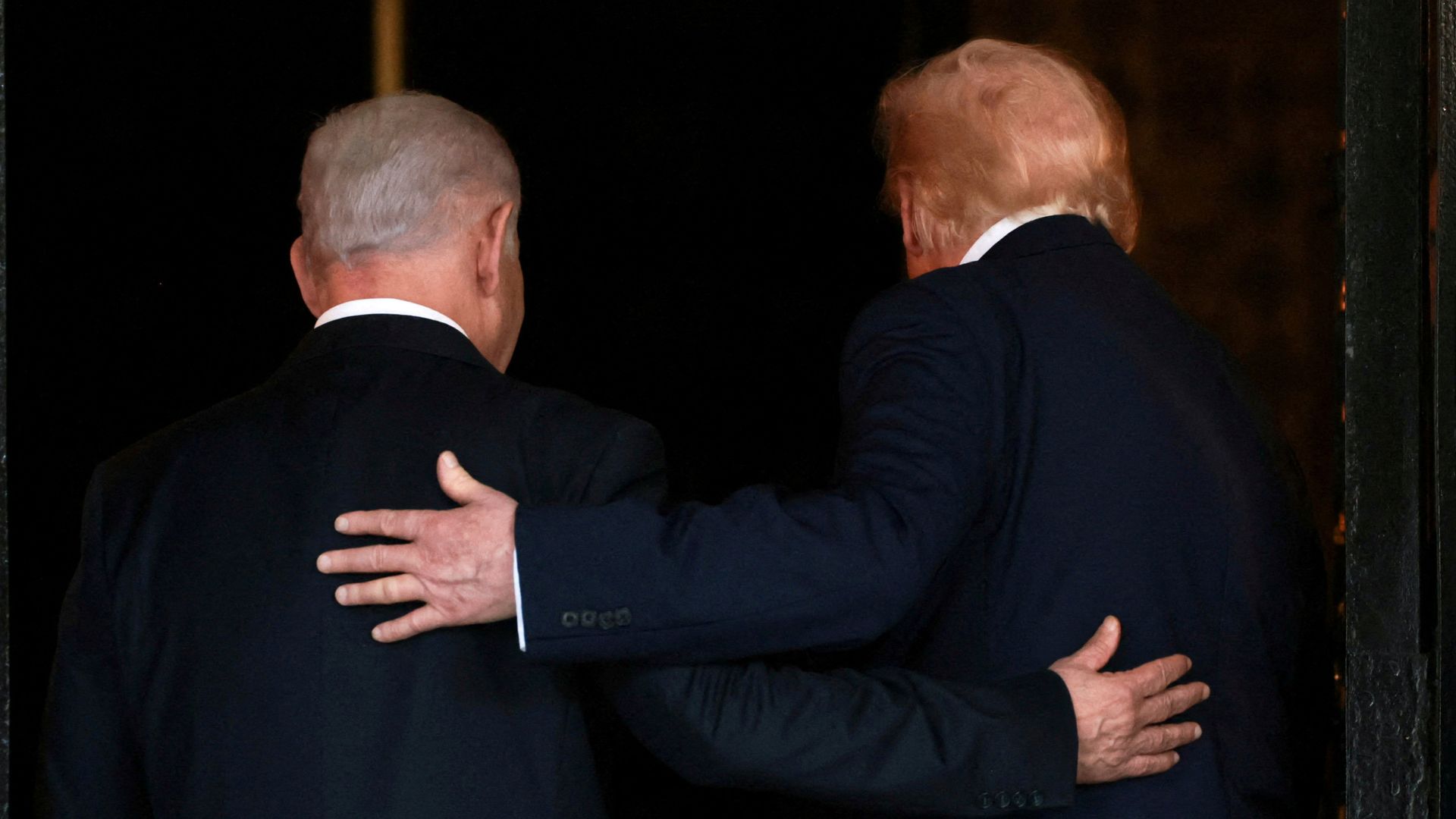
Trump's Israel Aid Stance Creates Dilemma for Netanyahu
Former President Trump's conditional offer on military aid to Israel presents Prime Minister Netanyahu with a significant diplomatic challenge.
Former President Donald Trump has introduced a complex challenge for Israeli Prime Minister Benjamin Netanyahu by suggesting that future military aid to Israel could be contingent on the country's actions in its ongoing conflict. This statement, made in a recent interview, has sent ripples through international diplomatic circles and Israeli political discourse.
Trump's remarks signal a potential shift in the long-standing, largely unconditional U.S. military support for Israel, a cornerstone of the bilateral relationship for decades. Such a change, if enacted, could have profound implications for Israel's security and its strategic planning.
The former president indicated that he would not provide aid without conditions, implying that Israel would need to demonstrate restraint or adherence to certain U.S. objectives. While specific conditions were not detailed, the suggestion itself represents a departure from previous U.S. policy under both Republican and Democratic administrations.
This development places Prime Minister Netanyahu in a precarious position. He must navigate the domestic political pressures of maintaining security and national interests while also managing a crucial alliance with the United States, especially in the current volatile regional climate.
Historically, U.S. military aid has been a critical component of Israel's defense capabilities, enabling it to maintain a qualitative military edge in the Middle East. The unwavering support has been a bipartisan consensus for many years, though recent political realignments have introduced new dynamics.
Trump's approach, characterized by a transactional foreign policy, suggests that future U.S. engagement could be tied more directly to perceived benefits or compliance with American interests. This could extend beyond military aid to other forms of diplomatic and strategic cooperation.
Reactions within Israel and among its supporters in the U.S. are likely to be mixed. Some may view the potential for conditional aid as a sign of diminishing American commitment, while others might see it as an opportunity to re-evaluate the terms of the relationship. The Israeli government has yet to issue a formal statement addressing Trump's specific comments.
The long-term implications of such a policy shift, should it materialize, remain uncertain. It could embolden adversaries, complicate regional peace efforts, or force Israel to seek alternative security partnerships, although the latter is a significant undertaking given the entrenched nature of the U.S.-Israel alliance.
This article was written by AI based on publicly available news reporting. Original reporting by the linked source.