Typhoon Dolphin Disrupts China: Hundreds of Flights Cancelled Amidst Torrential Rains
Typhoon Dolphin's aftermath has caused widespread flooding in eastern China, leading to hundreds of flight cancellations across multiple provinces.
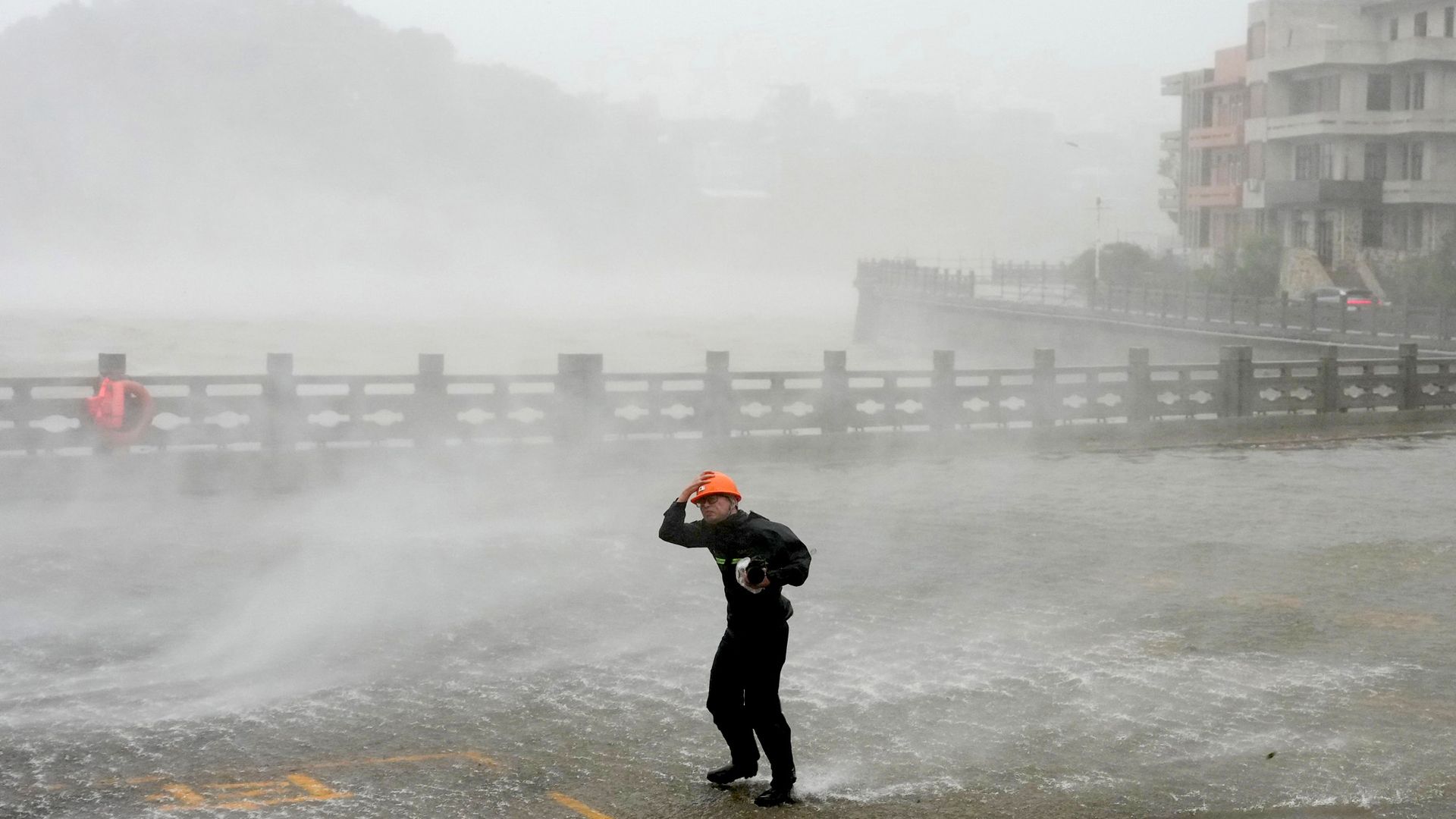
Torrential rain and severe storms associated with Typhoon Dolphin have inundated several eastern Chinese provinces, resulting in the cancellation of hundreds of flights. The widespread disruption began as the typhoon, after making landfall, unleashed its fury on the region, bringing with it intense rainfall and hazardous weather conditions.
The affected provinces are grappling with significant flooding, impacting transportation networks and daily life. Authorities have been working to manage the crisis, with a primary focus on ensuring public safety and mitigating the damage caused by the extreme weather.
Reports indicate that the cancellations have affected major airports and numerous domestic routes, leaving many travelers stranded. Emergency services are on high alert, responding to flood-related incidents and assisting affected communities. The economic impact of the widespread cancellations and potential damage to infrastructure is also a growing concern.
As the waters begin to recede in some areas, the focus is shifting towards recovery and assessing the full extent of the damage. The meteorological office has warned that residual rainfall may continue in some regions, necessitating ongoing vigilance.
This event highlights the vulnerability of the region to extreme weather phenomena exacerbated by climate change. Similar typhoons in recent years have also caused significant disruptions, prompting discussions about improved disaster preparedness and resilient infrastructure.
Officials have urged residents in affected areas to stay informed about weather updates and follow evacuation orders if necessary. The aviation authorities are working to resume flights as soon as weather conditions permit, but the timeline for full resumption remains uncertain.
The agricultural sector is also bracing for potential losses due to waterlogged fields and crop damage. Local governments are mobilizing resources to provide aid to farmers and assess the impact on food supply chains.
Questions remain about the long-term preparedness strategies for such recurring weather events and the investments needed to bolster defenses against increasingly severe storms.
This article was written by AI based on publicly available news reporting. Original reporting by the linked source.