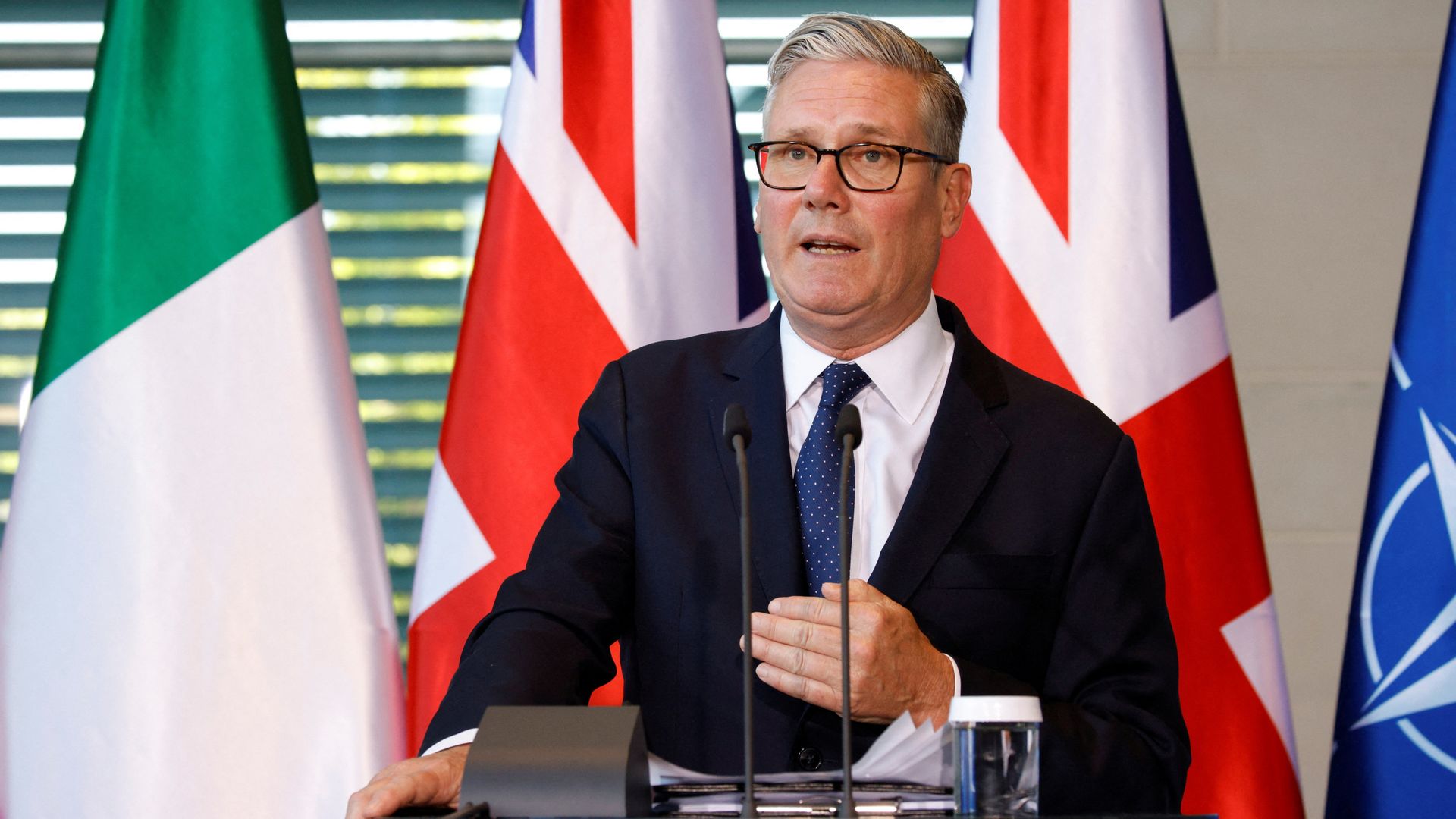
UK Defence Plan Delay Risks NATO Readiness, Critics Warn
A delayed UK defence investment plan faces scrutiny as a crucial NATO summit approaches, raising concerns about military readiness.
A long-delayed defense investment plan from the United Kingdom is facing increased pressure as officials scramble to finalize it ahead of a critical NATO summit next month. The urgency surrounding the plan, spearheaded by Sir Keir Starmer, has led to concerns among some that the rushed process could prove counterproductive to achieving genuine military readiness.
NATO allies are reportedly seeking a clear and credible roadmap outlining when the UK will be fully prepared for potential wartime scenarios. The current uncertainty surrounding the defense investment plan has created a perception of instability, potentially undermining the collective security efforts of the alliance. The approaching summit amplifies the need for concrete commitments and demonstrable progress in defense capabilities.
Sources suggest that the political deadline of the NATO summit has accelerated the timeline for the plan's release, prompting internal discussions about how to meet this target without compromising the substance of the strategy. The focus appears to be shifting towards presenting a plan that appeases allies and domestic audiences, rather than one that is fully developed and ready for implementation.
The implications of this delay and potential rushed release extend beyond diplomatic optics. A robust and well-funded defense investment plan is crucial for modernizing military equipment, enhancing training, and ensuring the UK can meet its commitments to NATO. Any perceived weakness or lack of preparedness on the part of a key member like the UK could embolden adversaries and create vulnerabilities within the alliance.
While the specifics of the plan remain under wraps, the ongoing deliberations highlight the complex interplay between political calendars and national security imperatives. The desire to present a unified front at the NATO summit is understandable, but the risk lies in sacrificing thoroughness for expediency. This could lead to a plan that is ambitious in rhetoric but lacking in achievable milestones and necessary resources.
Furthermore, the delay in releasing the defense investment plan has fueled speculation about the underlying challenges in formulating such a strategy. Issues such as budget constraints, competing priorities, and the complexities of defense procurement are likely contributing factors. The current situation underscores the difficulties in aligning long-term defense objectives with the immediate demands of international alliances and political timelines.
Experts in defense policy have expressed concerns that a hastily assembled plan might not adequately address the evolving threat landscape. They emphasize the importance of a comprehensive review of existing capabilities, a realistic assessment of future needs, and a clear funding mechanism to support any new initiatives. Without these elements, the plan risks being seen as a political maneuver rather than a strategic blueprint.
As the NATO summit draws nearer, the focus will undoubtedly be on the UK's commitment to its defense obligations and its ability to contribute effectively to collective security. The successful development and implementation of the defense investment plan will be a key indicator of the UK's resolve and its standing within the international security architecture.
This article was written by AI based on publicly available news reporting. Original reporting by the linked source.