US Aid Cuts Strain African Healthcare, Report Warns
US withdrawal from aid programs, coupled with the pandemic and rising costs, strains African healthcare, a new report reveals.
The healthcare systems in Africa and the Global South are facing "growing strain" following the United States' withdrawal from key international aid programs, according to a new report. The report, titled "A Sovereign Future For Health," highlights that the reduction in funding, combined with the impacts of the COVID-19 pandemic and escalating global living costs, has created an urgent need for healthcare reform across the region.
The initiative behind the report, Accra Reset, is a global health organization led by Ghana's president, John Dramani Mahama. It advocates for African nations and other countries in the Global South to assert greater control over their health development, moving away from reliance on Western aid and international financial institutions.
A significant statistic highlighted in the report indicates that Africa, despite bearing approximately 25% of the global disease burden, produces less than 1% of its own vaccines. The report details how sudden shifts in global health financing, such as the U.S. pulling out of various health initiatives, have compelled countries in the Global South to rapidly reorganize their financial structures.
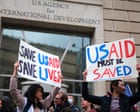
These funding changes have had tangible consequences. The report points to the Trump administration's decision to dissolve the U.S. Agency for International Development (USAID), which necessitated Nigeria absorbing 28,000 healthcare workers previously employed by the agency, at an estimated cost of $200 million. This move underscores the substantial impact of U.S. aid on local health workforces.
Furthermore, external financing for health initiatives in Africa saw a sharp contraction, falling by nearly 70% between 2021 and 2025. This dramatic decrease forced African countries, many of which have historically depended on such aid, to adapt their healthcare strategies and budgets under considerable pressure.
In South Africa, the withdrawal of funding from the U.S. President's Emergency Plan for Aids Relief (Pepfar) has led to the closure of HIV clinics. Pepfar had been providing over $400 million annually and is credited with saving an estimated 26 million lives globally since its inception in 2003. The reduction in this critical funding has left approximately 1.4 million people living with HIV facing significant challenges.
The report argues that these abrupt changes in external funding highlight the vulnerability of health systems dependent on fluctuating international commitments. It calls for a paradigm shift towards self-sufficiency and regional collaboration in health development to ensure more resilient and sustainable healthcare services.
Accra Reset's findings suggest that a reevaluation of global health partnerships is necessary, emphasizing the need for greater domestic investment and resource mobilization within African nations to bolster their health infrastructure and reduce susceptibility to external financial shocks.
This article was written by AI based on publicly available news reporting. Original reporting by the linked source.