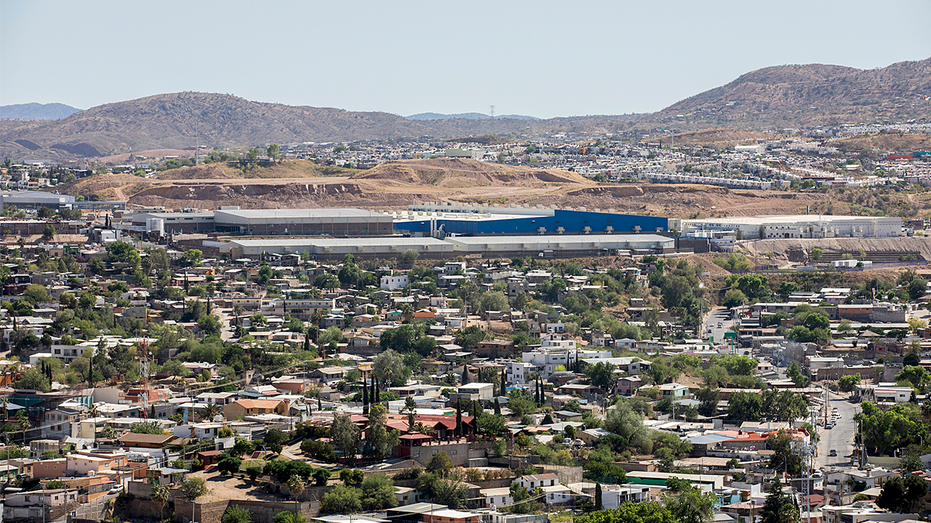
US Government Restricts Travel to Mexican Border City Due to Threats
The U.S. government has issued a new travel warning, limiting official trips to a specific Mexican border city due to security concerns.
The U.S. government has implemented new restrictions on official travel to a key Mexican border city, citing significant security concerns. The directive advises government employees to avoid non-essential travel to the city, signaling a heightened awareness of potential threats in the region.
This decision comes as part of ongoing efforts by the U.S. to ensure the safety of its personnel operating abroad and to assess the evolving security landscape along the southern border. The specific nature of the threats has not been detailed, but the advisory underscores a serious assessment of risks.
Officials emphasized that the restriction is a precautionary measure designed to protect government personnel. The move reflects a broader pattern of increased attention to border security and the safety challenges associated with international travel in certain areas. While not a complete travel ban, the advisory significantly curtails routine government operations in the affected city.
The implications of this travel restriction are multifaceted, potentially impacting diplomatic relations, security cooperation, and the ability of U.S. agencies to conduct on-the-ground operations. It also raises questions about the current security conditions in the targeted Mexican city.
Sources familiar with the matter indicated that the warning was issued following an evaluation of recent security incidents and intelligence assessments. The U.S. Department of State regularly updates its travel advisories based on conditions in countries around the world, but such specific restrictions on travel to a particular city within a neighboring country often denote localized, serious concerns.
This measure is likely to be closely watched by international observers and could prompt similar reviews of travel safety protocols by other governments or organizations with personnel in the region. The U.S. government has not provided a timeline for when these travel restrictions might be lifted, suggesting a need for sustained monitoring of the security situation.
The specific city subject to the travel restrictions was not immediately disclosed in public statements, contributing to a degree of uncertainty. However, the announcement implies a targeted approach rather than a broad condemnation of security in the entire border region.
Further details are expected as the U.S. government continues to assess the security environment and its impact on official duties. The directive serves as a stark reminder of the complex security challenges that can arise in border regions and their potential to affect international governmental operations.
This article was written by AI based on publicly available news reporting. Original reporting by the linked source.