US-Iran strikes jeopardize key MOU parts, Qatar official warns
Qatar's foreign ministry spokesperson stated that recent US-Iran strikes put key MOU elements into question, hoping the agreement isn't killed off.
Renewed fighting between the U.S. and Iran in the Middle East has cast doubt on significant aspects of a memorandum of understanding (MOU) established last month, according to a senior Qatari government official. Majed al-Ansari, spokesperson for Qatar's Ministry of Foreign Affairs, expressed concern that the intense exchange of strikes could undermine the fragile agreement.
Qatar played a crucial role, alongside Pakistan, in brokering the 14-point MOU signed on June 17. This agreement aimed to facilitate the reopening of the Strait of Hormuz and end the U.S. naval blockade of Iranian ports, representing a significant diplomatic effort to de-escalate regional tensions.
Al-Ansari, speaking at the Chatham House think tank's 2026 conference in London, noted that the past 48 hours have been particularly tense. He highlighted that navigation through the vital Strait of Hormuz has once again been severely disrupted since the resumption of hostilities. Qatar is urging all parties involved to exercise restraint and allow more time for ongoing diplomatic talks.
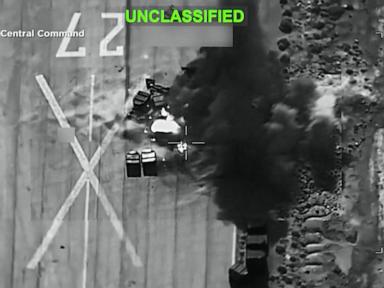
The recent escalation follows U.S. Central Command's announcement of over 170 strikes on Iranian targets in response to alleged Iranian attacks on commercial shipping in the Strait of Hormuz. One of the vessels reportedly targeted was the Qatari liquid natural gas tanker, the Al-Rekayyat.
In response to the U.S. actions, the Iranian military claimed to have attacked U.S. military facilities in Kuwait, Bahrain, and Qatar. However, al-Ansari refuted the Iranian assertion of fresh attacks on Qatar, stating that while there were some "pass overs," no targets within Qatar were hit, though the nation's military was on high alert.
U.S. President Donald Trump had previously suggested the MOU was effectively over following reports of Iranian attacks, threatening further military action. Responding to these remarks, al-Ansari acknowledged that the current situation is not where Doha had hoped the talks would be at this stage. He emphasized, however, that diplomatic discussions have not collapsed, but stressed that any escalation on the ground inevitably derails diplomatic efforts.
The MOU's potential jeopardy comes at a critical juncture, as the region grapples with the consequences of renewed military confrontation. The disruption to shipping in the Strait of Hormuz, a critical global energy chokepoint, has immediate economic implications. Qatar's involvement underscores the nation's ongoing commitment to regional stability and its role as a mediator.
Unresolved questions remain regarding the future of the MOU and the potential for further diplomatic engagement amidst escalating military actions. The coming days will likely reveal whether the diplomatic channels can withstand the pressure of continued strikes and counter-strikes, or if the agreement will indeed be irrevocably damaged.
This article was written by AI based on publicly available news reporting. Original reporting by the linked source.