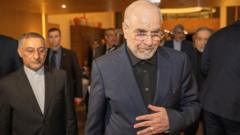
US-Iran Talks Continue Overnight in Switzerland Amid Escalating Tensions
Direct US-Iran negotiations resumed in Switzerland, focusing on a ceasefire and nuclear deal, despite threats and counter-threats.
Direct negotiations between the United States and Iran, the first since a recent deal was struck, were expected to continue through the night in Lucerne, Switzerland. A senior U.S. diplomat involved in the talks confirmed the ongoing nature of the discussions on Sunday.
The resumption of these direct talks follows an agreement last week to finalize a comprehensive deal within 60 days. The current negotiations aim to clarify ambiguities in Iran's messaging regarding key issues such as the reopening of the Strait of Hormuz, the enforcement of a ceasefire in southern Lebanon, and aspects of a nuclear agreement.
Discussions late Sunday night focused on these critical points. This diplomatic engagement occurs against a backdrop of heightened military activity. Earlier, U.S. President Donald Trump had issued a warning to Iran, threatening renewed strikes if Tehran did not halt actions by its proxies in Lebanon amid ongoing clashes with Israel. Iran, however, dismissed Trump's threat, asserting its readiness for conflict.
The U.S. diplomat indicated that the work completed on Sunday would serve as a foundation for future technical discussions. The agreement from last week stipulated an end to fighting on all fronts, including Lebanon, and the reopening of the Strait of Hormuz.
However, the fragile situation has seen an increase in fighting between Hezbollah and Israeli forces in southern Lebanon, accompanied by Israeli airstrikes that have reportedly resulted in civilian casualties. In response to this escalation, the U.S. declared a new ceasefire between Israel and Hezbollah on Friday.
Further complicating the diplomatic efforts, Iran announced on Saturday the closure of the Strait of Hormuz, though maritime tracking data indicated continued vessel passage. President Trump took to social media, urging Iran to cease proxy activities in Lebanon and threatening severe repercussions. Iran's lead negotiator, Mohammad Bagher Ghalibaf, responded by questioning the effectiveness of such threats.
Despite the diplomatic overtures, reports on Sunday indicated a decrease in fighting, though Israeli Prime Minister Benjamin Netanyahu stated the Israeli military would maintain its presence in southern Lebanon to ensure Israel's security.
The ongoing talks in Lucerne represent a critical juncture in de-escalating regional tensions and solidifying a peace agreement, yet they are overshadowed by persistent military actions and public posturing between the involved parties.
This article was written by AI based on publicly available news reporting. Original reporting by the linked source.