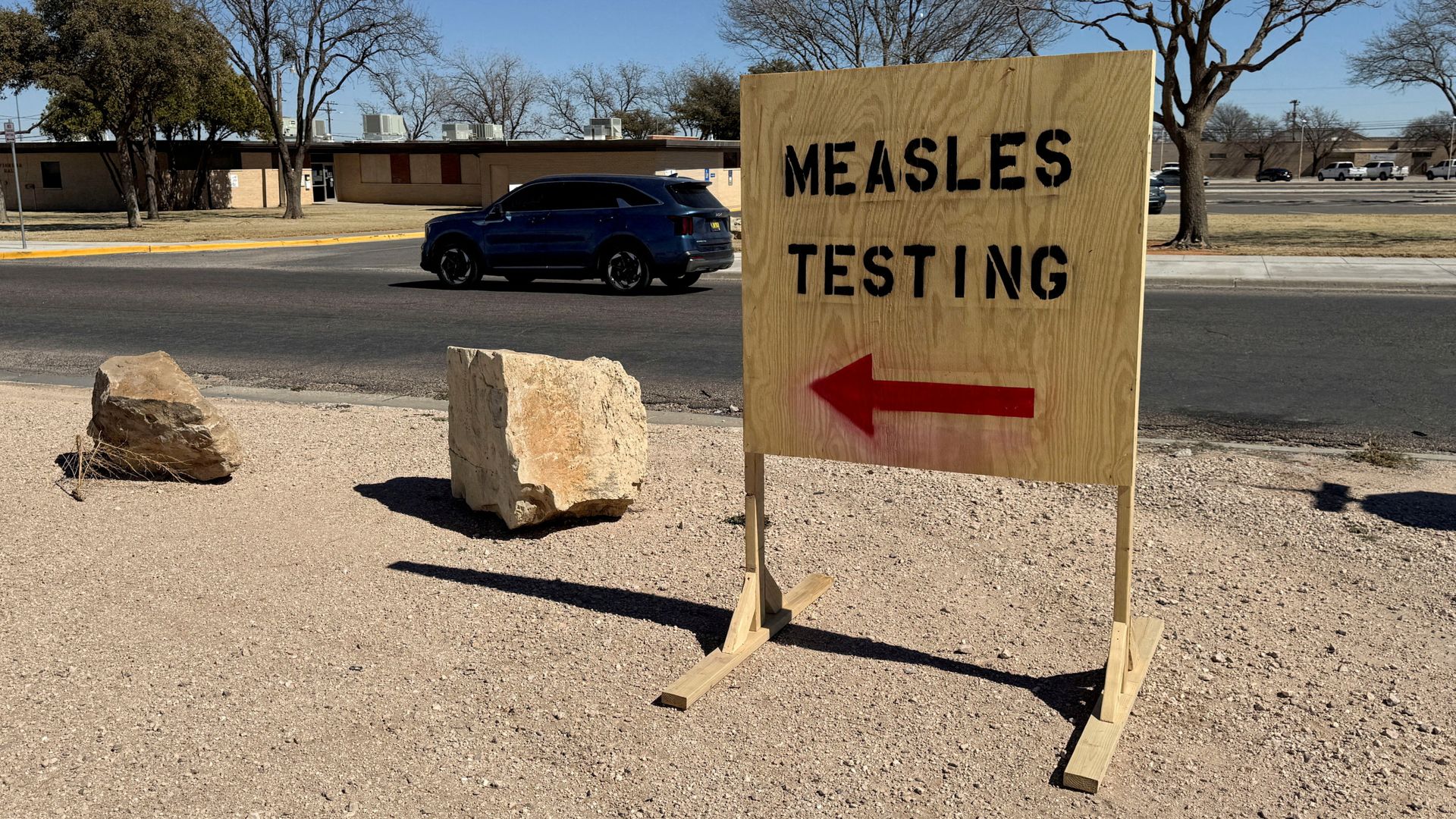
US Loses Measles-Free Status Amid Worst Outbreak in 35 Years
The United States has lost its measles-free status, marking the worst outbreak in 35 years after failing to contain the virus for over a year.
The United States has officially lost its measles-free status, a significant setback after maintaining the designation for 26 years. The World Health Organization (WHO) removed the country's status due to its inability to prevent the virus from spreading within its borders for more than a year, a key criterion for maintaining the designation.
This reversion comes as the nation grapples with its most severe measles outbreak in three and a half decades. Measles, a highly contagious viral illness, can lead to serious complications, including pneumonia, encephalitis (brain swelling), and even death, particularly in young children and individuals with weakened immune systems. The loss of measles-free status highlights critical challenges in maintaining high vaccination rates and controlling the resurgence of vaccine-preventable diseases.
The current outbreak has seen a substantial increase in reported cases, far exceeding the typical annual numbers seen in recent years. Public health officials attribute the rise in infections primarily to declining vaccination rates in certain communities. When vaccination coverage drops below critical thresholds, often cited as around 95% for herd immunity, populations become more vulnerable to outbreaks.
The implications of losing measles-free status are far-reaching. It signals a vulnerability in the nation's public health infrastructure and raises concerns about the potential for further spread of the virus. This designation could also impact international travel perceptions and public health funding priorities as the country confronts the renewed threat of measles.
Historically, measles was a common childhood illness in the U.S. before the introduction of the measles vaccine in 1963. Widespread vaccination efforts led to its elimination in the U.S. in 2000, meaning there was no continuous transmission of the virus for over 12 months. However, sporadic outbreaks have occurred since then, often linked to unvaccinated individuals or travelers returning from countries where the virus is endemic.
Health experts emphasize that the measles, mumps, and rubella (MMR) vaccine is safe and highly effective, providing robust protection against the disease. They are urging parents to ensure their children are up-to-date on their MMR vaccinations, as well as for adults who may not have been vaccinated or had the illness in the past.
The U.S. Centers for Disease Control and Prevention (CDC) has been actively tracking the outbreak and working with state and local health departments to contain the spread. Efforts include increased surveillance, contact tracing, and public awareness campaigns to promote vaccination. The agency has reported a significant number of measles cases concentrated in specific geographic areas with lower vaccination coverage.
While the country has lost its official measles-free status, the focus remains on regaining it by demonstrating sustained control over the virus. This will require a renewed and concerted effort from public health agencies, healthcare providers, and communities to boost vaccination rates and prevent further transmission, thereby protecting the population from this dangerous disease.
This article was written by AI based on publicly available news reporting. Original reporting by the linked source.