US loses measles-free status; RFK Jr. faces backlash for vaccine skepticism
The U.S. lost its measles-free status for the first time in 26 years, sparking criticism of vaccine-skeptic voices like RFK Jr.
The United States has lost its measles elimination status, the World Health Organization (WHO) confirmed, marking the first time in more than 25 years the nation has not met the criteria for eliminating the highly contagious disease. This significant public health setback comes as measles cases surge across the country, with the Centers for Disease Control and Prevention (CDC) reporting over 100 cases in the early months of the year.
The loss of status is a stark indicator of declining vaccination rates, a trend public health officials have warned about for years. Measles, once common, was declared eliminated in the U.S. in 2000 due to widespread vaccination efforts. However, recent years have seen a resurgence, fueled by a complex mix of factors including vaccine hesitancy and the spread of misinformation.
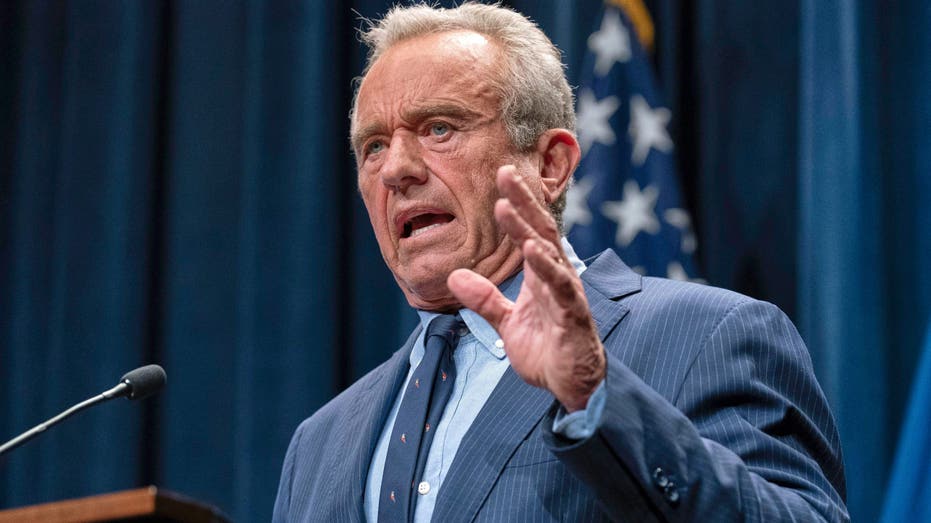
This development has intensified scrutiny on public figures who have promoted skepticism regarding vaccine safety and efficacy. Robert F. Kennedy Jr., a prominent voice in the anti-vaccine movement, has been particularly criticized by health experts and organizations for his past statements and advocacy, which they argue contribute to the erosion of public trust in vaccines and undermine herd immunity.
Health authorities are now grappling with how to reverse this trend and regain the nation's measles-free designation. The WHO requires a country to have no endemic measles transmission for at least three consecutive years, with fewer than 50 cases per million people annually, to be considered eliminated. The current outbreak clearly indicates the U.S. is far from meeting these benchmarks.
Public health experts emphasize that the measles vaccine is safe and highly effective, with a two-dose regimen providing 97% protection. They attribute the current situation to a decline in routine childhood immunizations, which has been exacerbated by the COVID-19 pandemic, leading to missed well-child visits and vaccinations. The CDC has urged parents to ensure their children are up-to-date on their MMR (measles, mumps, and rubella) vaccinations.
Organizations like the American Academy of Pediatrics and the WHO have consistently refuted claims linking vaccines to autism and other serious health issues, citing extensive scientific research. They stress that the risks associated with measles infection, including pneumonia, encephalitis, and death, far outweigh the risks associated with the vaccine.
The resurgence of measles in the U.S. is part of a broader global trend, with outbreaks reported in various countries that previously had eliminated the disease. This underscores the interconnectedness of global public health and the need for sustained, high vaccination coverage worldwide to prevent the re-establishment of endemic transmission.
Moving forward, public health agencies are expected to redouble efforts to increase vaccination rates through outreach programs, educational campaigns, and potentially stricter school entry requirements. The challenge remains to rebuild confidence in vaccines and combat the persistent spread of misinformation that threatens hard-won public health gains.
This article was written by AI based on publicly available news reporting. Original reporting by the linked source.