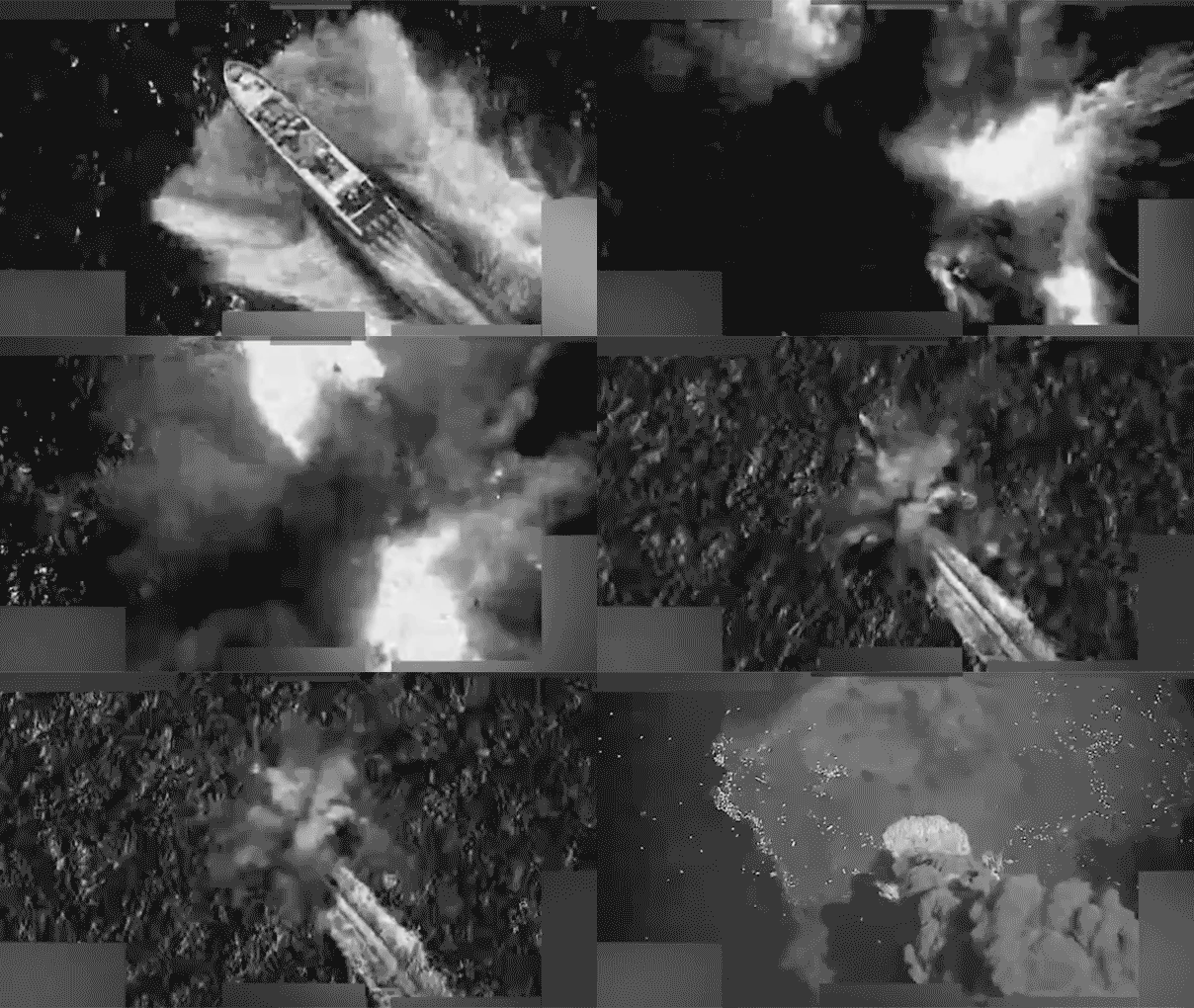
US Military Kills 3 Suspected Narco-Terrorists in Eastern Pacific Vessel Strike
The U.S. military conducted a strike on a vessel in the Eastern Pacific, resulting in the deaths of three individuals identified as narco-terrorists.
The U.S. military has confirmed a lethal strike against a vessel in the Eastern Pacific, resulting in the deaths of three individuals identified as narco-terrorists. The operation, carried out by U.S. forces, targeted the vessel as part of ongoing efforts to combat illicit activities in the region.
This latest action underscores the persistent threat posed by transnational criminal organizations and narco-terrorist networks operating in international waters. The U.S. Southern Command (SOUTHCOM), which oversees operations in the region, has been actively engaged in interdicting drug shipments and disrupting the financial networks that support these groups.
Details surrounding the specific vessel and the individuals involved remain limited, but SOUTHCOM indicated the operation was successful in neutralizing a threat. Such strikes are part of a broader strategy to degrade the capabilities of groups that engage in both drug trafficking and terrorism, activities that often fuel instability and violence.
The Eastern Pacific remains a critical transit zone for narcotics destined for various markets, and the U.S. military, in coordination with partner nations, plays a significant role in interdiction efforts. These operations are complex, often involving maritime patrols, intelligence gathering, and specialized forces trained for such encounters.
Narco-terrorism, the use of drug trafficking proceeds to fund terrorist activities, presents a dual threat that requires a comprehensive response. The U.S. military's role in these interdictions is crucial for disrupting the flow of illicit substances and preventing the flow of funds to destabilizing elements.
SOUTHCOM has consistently reported on its efforts to seize narcotics and apprehend individuals involved in trafficking. These operations are vital not only for national security but also for the stability of countries in the Western Hemisphere impacted by drug-related violence and corruption.
While the specifics of this particular strike are still emerging, it represents another instance of U.S. forces taking direct action against perceived threats in maritime domains. The success of such operations is often measured by the disruption of illicit supply chains and the prevention of further criminal activity.
Further information regarding the operation and the identities or affiliations of the individuals targeted is expected to be released as investigations and operational assessments continue.
This article was written by AI based on publicly available news reporting. Original reporting by the linked source.