US Says Israel, Hezbollah Agree Ceasefire Amid Deadly Lebanon Strikes
A US official announced a ceasefire between Israel and Hezbollah, following intense strikes that killed 47 people in Lebanon.
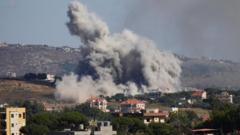
A ceasefire has been agreed upon by Israel and Hezbollah, according to a United States official, amid a significant escalation of violence in southern Lebanon. The announcement came after Israeli air strikes overnight into Friday reportedly killed 47 people, with Hezbollah also claiming responsibility for killing four Israeli soldiers.
The intense clashes had raised concerns that the ongoing hostilities could jeopardize a broader deal aimed at ending conflict between the US and Iran. The agreement reportedly declared a ceasefire in Lebanon, as well as between the US and Iran, though its effectiveness on the ground has been questioned.
Lebanese rescue officials reported at least 12 air strikes occurring after the ceasefire was slated to begin at 16:00 local time (13:00 GMT). The Israeli military confirmed a ceasefire was in effect but stated its forces would continue to address immediate threats. Hezbollah has not yet officially confirmed the ceasefire, though its secretary general indicated that efforts to eliminate the group had failed.
The recent escalation poses further challenges to diplomatic efforts. While the White House maintains a ceasefire is in place, Israeli National Security Minister Itamar Ben Gvir made inflammatory remarks following the deaths of Israeli soldiers, suggesting severe retaliation against Lebanon.
In response to the rising tensions, Iranian Foreign Minister Abbas Araghchi accused Israel of seeking perpetual conflict and stated that any violations of the memorandum of understanding would be attributed to the U.S.
U.S. President Donald Trump has previously criticized Israeli Prime Minister Benjamin Netanyahu, suggesting civilian deaths in the fight against Hezbollah were unnecessary. This latest flare-up provides further fuel to Iran's accusations that Trump is failing to control Israel's actions.
The effectiveness of the current deal appears to hinge on both sides exercising restraint and reining in hardline elements. However, there are limited signs of such de-escalation. Prime Minister Netanyahu faces domestic pressure to continue military operations, while Hezbollah has indicated it will persist with attacks as long as Israel's operations in southern Lebanon continue.
Unresolved questions remain regarding the full adherence to the ceasefire and the long-term implications for regional stability, particularly concerning the broader US-Iran deal.
This article was written by AI based on publicly available news reporting. Original reporting by the linked source.