Venezuela Quakes Claim Over 4,300 Lives, Death Toll Continues to Rise
More than 4,300 people have been confirmed dead following devastating back-to-back earthquakes that struck Venezuela last month.
The confirmed death toll from the powerful back-to-back earthquakes that struck Venezuela last month has surpassed 4,300, officials announced Tuesday. The devastating seismic events, which occurred on consecutive days, have resulted in widespread destruction and a continuously climbing number of fatalities.
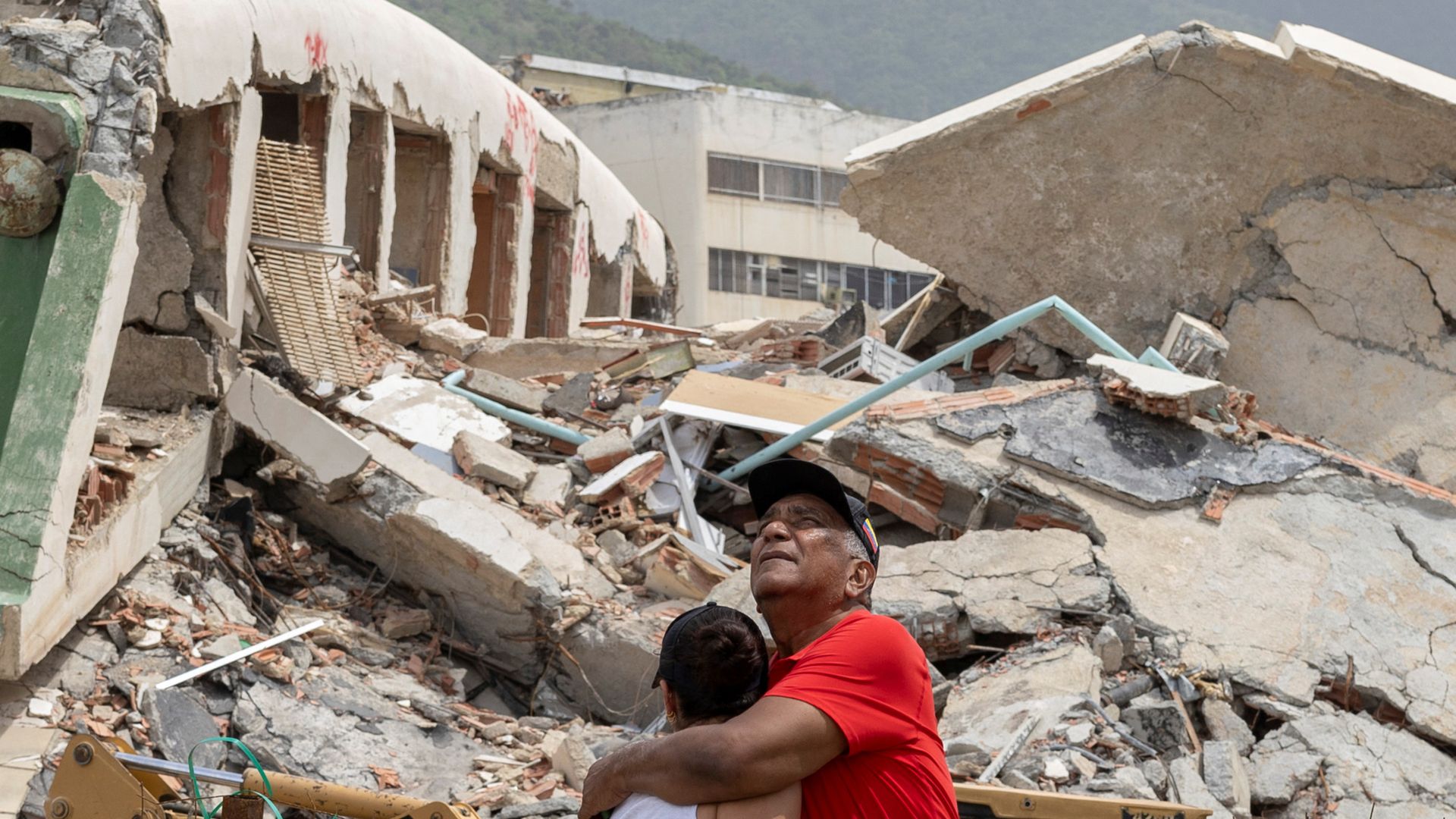
The twin earthquakes, registering significant magnitudes, struck a populated region of Venezuela, causing widespread panic and immediate structural damage. The full extent of the disaster is still being assessed, with rescue and recovery efforts ongoing in the hardest-hit areas. The earthquakes have exacerbated existing vulnerabilities in the region, leading to a catastrophic loss of life.
Authorities have been working tirelessly to account for all missing persons and provide aid to survivors. Initial reports indicated a lower death toll, but as search teams penetrate more remote and heavily damaged zones, the number of confirmed fatalities has steadily increased. The government has mobilized resources to support the affected communities, though the scale of the devastation presents immense challenges.
The long-term implications of the earthquakes are significant, with extensive damage to infrastructure, homes, and essential services. The economic and social impact on the affected regions is expected to be profound, requiring substantial rebuilding efforts and humanitarian assistance for an extended period.
Experts have noted that the geological makeup of the region makes it susceptible to seismic activity, but the intensity and proximity of these recent quakes have been particularly severe. The back-to-back nature of the tremors likely amplified the destruction, preventing immediate stabilization and increasing the risk of further collapses.
Relief organizations on the ground are reporting dire conditions for many survivors, with shortages of food, water, and medical supplies. The government has appealed for international aid to supplement its own rescue and recovery operations, highlighting the immense scale of the humanitarian crisis.
The ongoing assessment of damage and casualties continues, with officials cautioning that the final death toll may be higher. The focus remains on providing immediate relief to survivors and beginning the long process of reconstruction in the devastated areas.
Questions linger regarding the preparedness of the region for such catastrophic events and the long-term strategies for mitigating future risks. The full impact on the nation's economy and social fabric will likely unfold over months and years to come.
This article was written by AI based on publicly available news reporting. Original reporting by the linked source.