Voice recorder recovered from Florida jet crash that killed 9
Investigators recovered the cockpit voice recorder from a business jet that crashed in Florida, killing all nine people aboard.
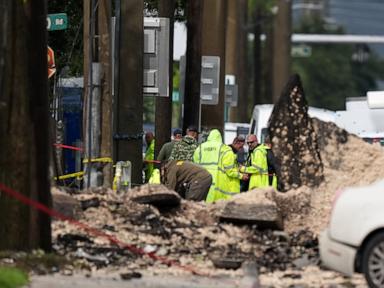
Investigators announced Monday they have recovered the cockpit voice recorder from a business jet that crashed in Florida last week, killing all nine people on board. The Learjet plummeted from the sky amid severe weather on November 1, slamming into the ground and erupting in a fireball.
The National Transportation Safety Board (NTSB) stated the recorder was found at the crash site. If the data can be successfully retrieved, it could offer critical insights into the final moments of the flight, including pilot communications as the aircraft encountered turbulence, ice accumulation on its wings, and ultimately lost control.
The NTSB has not yet confirmed if the recorder sustained damage or if it was operational. Aviation safety expert Jeff Guzzetti, reviewing agency photos of the orange-painted metal shell, indicated it appeared to be in "decent shape" and that "any info on the recorder survived" is plausible. He added that recovering data would be a "huge help to investigators."
While dramatic video captured the jet's descent and air traffic control transmissions documented the pilots' realization of their peril, the cockpit voice recorder may illuminate other factors. This includes the aircraft's apparent deviation around a large storm cell only to enter a smaller, rapidly developing one. Investigators previously confirmed the plane began to break apart before impact, with pieces of the elevator, a key tail component controlling pitch, found over a mile from the main crater.
The co-pilot had communicated to air traffic controllers that the plane was experiencing extreme vertical movement, exceeding 700 feet, and requested an alternative route. The NTSB's investigation will include a review of the aircraft's maintenance records and any prior issues. Officials from Upper Jets, the operator of the flight, air traffic controllers, and personnel at Austin, Texas, the departure airport, are also expected to be interviewed.
Recovery of the cockpit voice recorder is a significant step in the NTSB's investigation, which typically takes 12 to 18 months to complete, though complex cases can extend beyond that timeframe. The agency, with approximately 400 employees, is currently managing over 1,200 active investigations.
This recovery effort follows a previous incident where a cockpit voice recorder from a medical transport plane that crashed in Philadelphia in January 2025, killing seven, was found to have likely been non-functional for several years. The potential functionality of the recovered recorder from the Florida crash is a key point of focus.
The NTSB is evaluating the device at a laboratory in Washington. The outcome of this evaluation will determine the extent to which the recorder can contribute to understanding the sequence of events leading to the tragic loss of life.
This article was written by AI based on publicly available news reporting. Original reporting by the linked source.