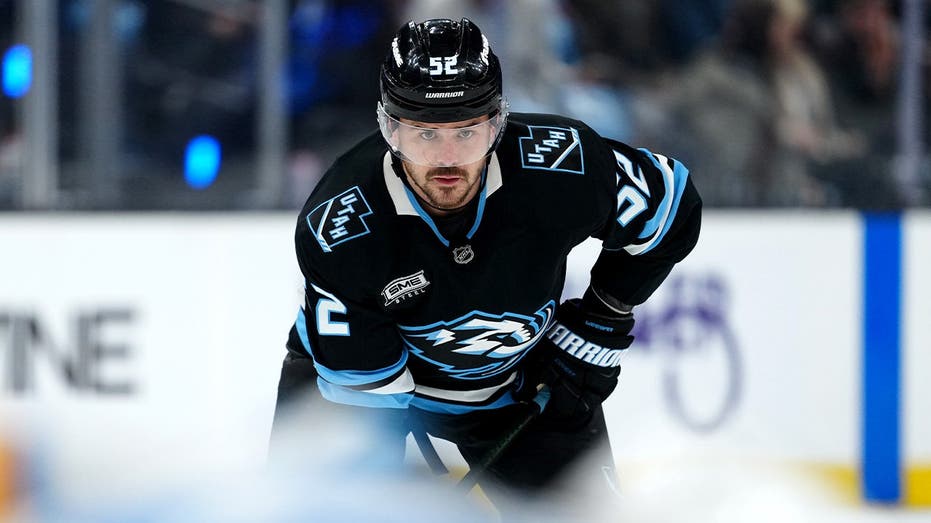
Weegar calls American players' trade requests out of Canada 'unfortunate'
Utah's MacKenzie Weegar expressed disappointment over American players seeking trades from Canadian NHL teams, calling the trend 'unfortunate.'
Calgary Flames defenseman MacKenzie Weegar has voiced his opinion on a growing trend of American NHL players seeking trades from Canadian franchises, labeling the situation as "a bit unfortunate."
Several high-profile American players have recently pursued moves from Canadian teams to American clubs, sparking discussion about the unique challenges and appeal of playing in Canada. This sentiment from Weegar, himself an American playing in Canada, adds a significant voice to the ongoing conversation.
Players like Brady Tkachuk, Connor Hellebuyck, and Quinn Hughes have reportedly requested trades from their respective Canadian teams to relocate to the United States. While the specific reasons for each individual request may vary, the pattern has become noticeable within the league.
Weegar's comments suggest a recognition of the difficulties some American players might face when adjusting to life and career in Canada. The decision to play in either country can involve significant personal and professional considerations for athletes.
The NHL features a unique geographical split, with seven teams based in Canada and 24 in the United States. This division often leads to discussions about travel, cultural differences, and the intense media scrutiny that Canadian franchises can attract.
While the league has not officially commented on the trend, the requests highlight potential factors influencing player decisions, such as proximity to family, lifestyle preferences, or market opportunities. These considerations are common in professional sports but seem to be manifesting more frequently among American players in Canadian markets.
The long-term implications of this trend remain to be seen. It could potentially influence how teams approach player recruitment and retention, and it may also prompt further dialogue between the NHL, its players' association, and individual franchises regarding player satisfaction and support systems.
As the NHL season progresses, the experiences and perspectives of players like Weegar will continue to shape the understanding of what it means to play hockey on either side of the border.
This article was written by AI based on publicly available news reporting. Original reporting by the linked source.