WHO: Ebola and conflict collide in DRC; Uganda closes border
WHO warns of a 'catastrophic collision' of Ebola and conflict in eastern DRC, prompting Uganda to close its border.
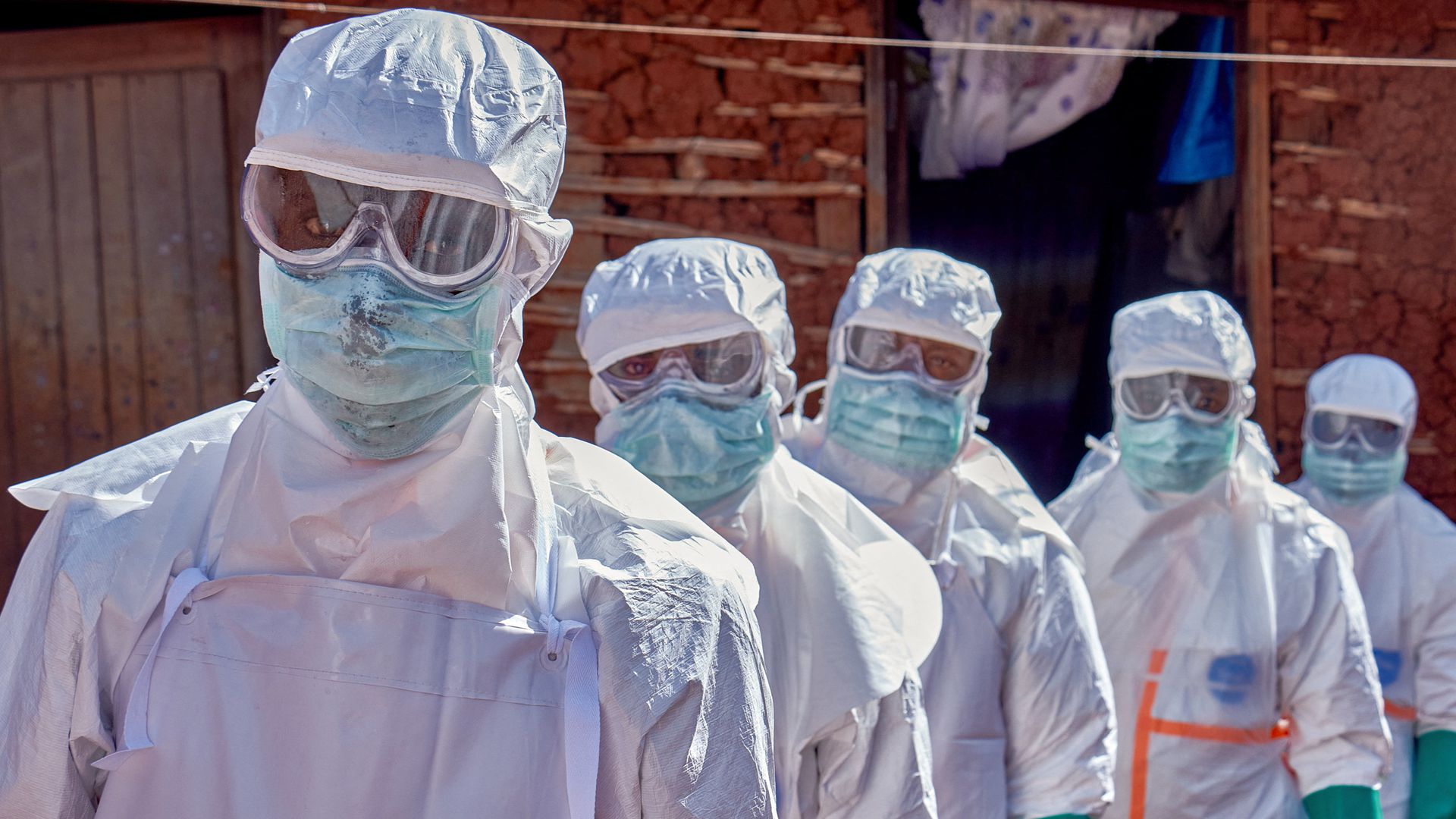
The World Health Organization (WHO) has warned that the eastern Democratic Republic of Congo (DRC) is experiencing a "catastrophic collision of disease and conflict" as the Ebola outbreak persists.
This dire assessment comes amid ongoing insecurity and violence in the region, which complicates efforts to contain the deadly virus. The DRC has been grappling with recurrent Ebola outbreaks for decades, often exacerbated by the presence of numerous armed groups and displacement of populations.
The WHO's Director-General, Tedros Adhanom Ghebreyesus, highlighted the dual threat, emphasizing that the intertwined crises pose significant challenges to public health interventions. The ongoing violence hinders access for medical teams, impedes surveillance, and disrupts essential services, creating an environment where the virus can spread more easily.
In response to the escalating situation and the potential for cross-border transmission, neighboring Uganda has taken the precautionary measure of closing its border with the DRC. This action underscores the regional concern over the outbreak's spread and the potential impact on neighboring countries.
The eastern DRC has been a focal point of humanitarian crises, with millions displaced by decades of conflict involving various armed factions. This instability directly impacts the ability to implement effective public health strategies, including vaccination campaigns, contact tracing, and safe burial practices, which are critical for controlling Ebola.
Experts have long pointed to the complex interplay between conflict and disease in the region. The breakdown of infrastructure, lack of access to clean water, and crowded living conditions in displacement camps create fertile ground for infectious diseases to thrive. Furthermore, the fear and distrust generated by conflict can make communities hesitant to engage with health workers.
While specific figures on the current scale of the Ebola outbreak were not detailed in the WHO head's statement, the repeated warnings about the "catastrophic collision" suggest a serious and worsening situation. The international community faces the challenge of addressing both the immediate health emergency and the underlying drivers of conflict and instability.
Unresolved questions remain regarding the long-term strategy for managing recurrent outbreaks in such a volatile environment and how to ensure sustained international support for both humanitarian aid and peace-building efforts in the DRC.
This article was written by AI based on publicly available news reporting. Original reporting by the linked source.