Wildfire Smoke Blankets 17 States; Detroit, Minneapolis Air Quality Hazardous
Dangerous wildfire smoke from Canada has triggered air quality alerts across 17 U.S. states, making Detroit and Minneapolis hazardous.
Air quality alerts are in effect across at least 17 U.S. states on Thursday, July 16, 2026, as hazardous smoke from extensive Canadian wildfires drifts south. The plumes of smoke have traveled over a thousand miles, impacting regions from Minnesota to New Hampshire and Virginia.
This widespread pollution is a direct result of more than 180 wildfires currently burning across Canada. An additional nine large fires are contributing to the problem in northern Minnesota, exacerbating the air quality crisis.
Major metropolitan areas are experiencing some of the worst air quality globally. Detroit, Michigan, and Minneapolis, Minnesota, have been identified as having the poorest air quality among major cities. Detroit recorded an Air Quality Index (AQI) of approximately 600 on Thursday morning, far exceeding the "hazardous" threshold of 300-plus.
The extreme smoke is forecast to continue its eastward trajectory through the Northeast. By Friday morning, the pollution is expected to shift further south, affecting areas including Ohio, Virginia, Washington D.C., and Baltimore.
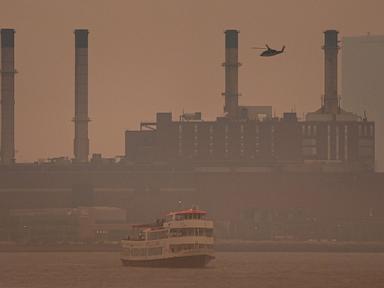
New York City experienced hazy conditions on Wednesday, with the potential for orange skies on Thursday due to the dense smoke. The visual impact of the smoke has been stark, with iconic cityscapes like the East River being obscured by the atmospheric haze.
Officials are urging residents in affected areas to limit outdoor activities, especially those with respiratory conditions, children, and the elderly. The AQI measures the concentration of pollutants in the air, with higher numbers indicating greater health risks.
The current situation highlights the far-reaching consequences of wildfires, even those occurring thousands of miles away. The sheer volume and density of smoke from the Canadian fires underscore the significant environmental and health challenges posed by such events.
As the smoke continues to move, monitoring of air quality and public health advisories will remain critical for residents in the path of the pollution. The long-term effects and the potential for recurring smoke events are ongoing concerns for environmental agencies and the public.
This article was written by AI based on publicly available news reporting. Original reporting by the linked source.