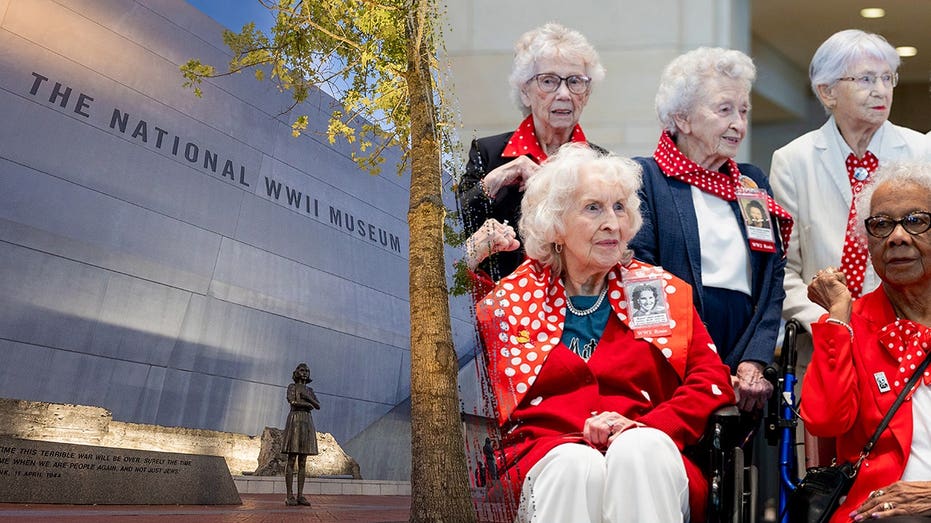
WWII Museum Honors Last 'Rosies' on D-Day Anniversary
The National WWII Museum celebrated the last surviving 'Rosie the Riveters' on the D-Day anniversary, honoring their vital contributions.
The National WWII Museum in New Orleans marked the D-Day anniversary by honoring the last surviving women who embodied the "Rosie the Riveter" spirit, recognizing their crucial role in the American war effort during World War II.
The "Rosie the Riveter" icon symbolized the millions of American women who entered the industrial workforce to support the nation's manufacturing needs while men were serving overseas. These women took on jobs previously held by men, producing munitions, warplanes, and other essential materials.
During a special D-Day commemoration event, museum officials and attendees paid tribute to the dwindling number of these women. Their contributions were vital in maintaining production levels that were critical to the Allied victory. The "We Can Do It" slogan, closely associated with Rosie the Riveter, continues to represent their resilience and capability.
This recognition highlights the enduring legacy of these women and their impact on both the outcome of the war and the advancement of women's roles in the workforce. Their service demonstrated immense patriotism and a commitment to the national cause during a time of unprecedented crisis.
The museum’s event served as a poignant reminder of the sacrifices made by all Americans during the war, with a particular focus on the often-unsung efforts of the women who kept the nation's industries running. Many of these women worked long hours under challenging conditions, contributing significantly to the industrial might that underpinned the war effort.
While the number of original "Rosies" is rapidly declining, their stories and the lessons of their perseverance remain a powerful part of American history. The museum aims to preserve these narratives for future generations, ensuring their contributions are never forgotten.
Events like these underscore the broader historical significance of World War II and the diverse groups of people who played instrumental roles in achieving victory. The "Rosies" represent a pivotal moment in American labor history and women's empowerment.
The ceremony was part of a larger series of events at the museum commemorating the anniversary of the D-Day landings, a pivotal moment in the liberation of Europe.
This article was written by AI based on publicly available news reporting. Original reporting by the linked source.