22 More Infant Remains Discovered at Irish Mother and Baby Home Site
Investigators found remains of 22 infants at a former mother and baby home in Ireland, adding to previous discoveries.
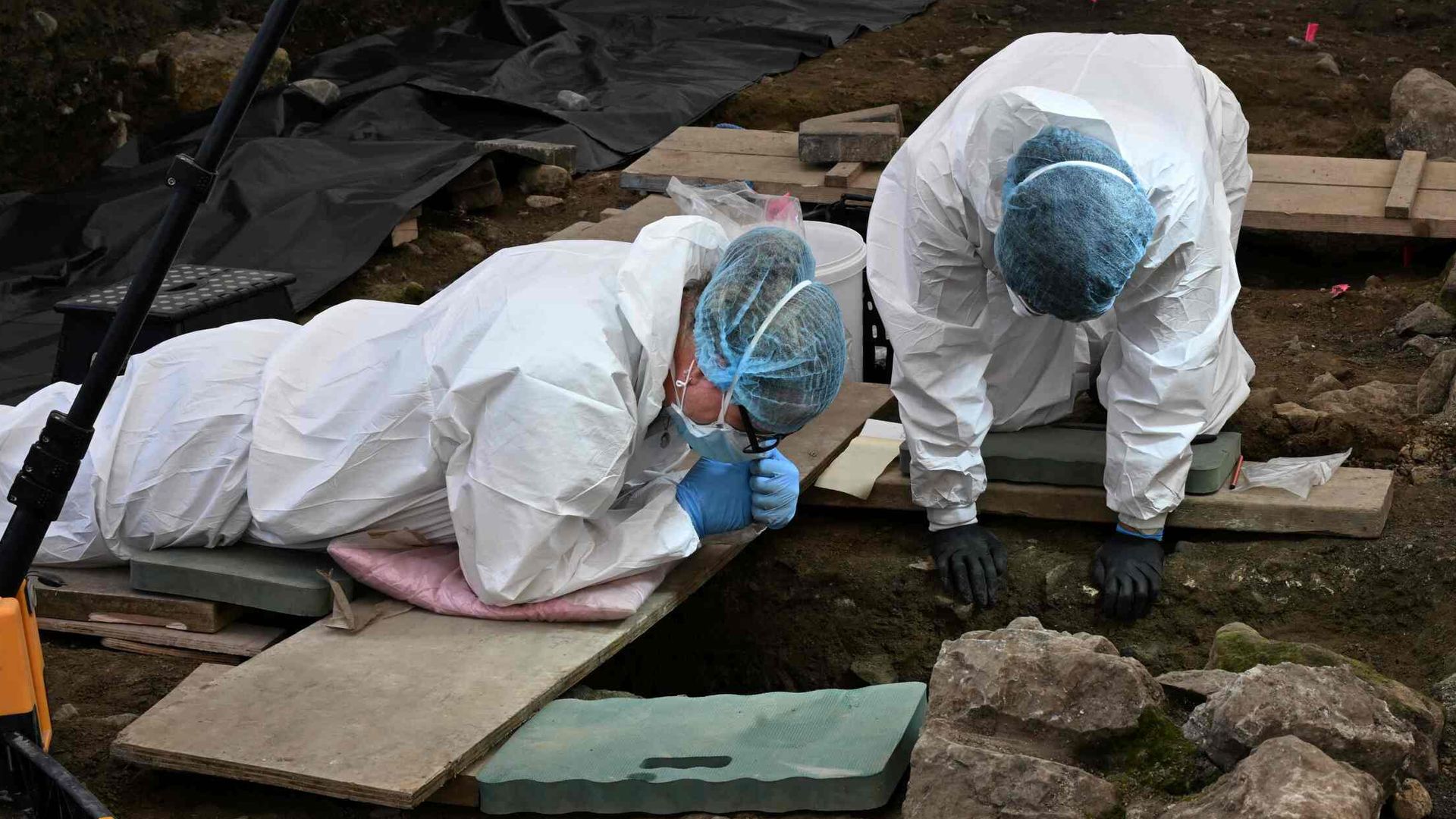
Investigators have announced the discovery of the remains of 22 more infants at the site of a former mother and baby home in Ireland, an announcement that brings the total number of infant remains found at the location to over 200.
The latest findings come as part of an ongoing investigation into the Tuam Mother and Baby Home in County Galway, which operated from 1925 to 1961. The institution housed unmarried mothers and their children, and historical accounts and previous investigations have suggested high mortality rates among the infants.
Details released by the investigators indicate that the 22 sets of remains were found in a disused underground structure on the property. This discovery follows previous excavations that uncovered the remains of hundreds of infants in unmarked graves and a concrete structure on the site. The scale of the findings has caused widespread shock and grief across Ireland.
The implications of this latest discovery are significant, potentially reigniting calls for a comprehensive government response and further investigations into other similar institutions across the country. It underscores the enduring pain and unanswered questions surrounding the treatment of women and children in these homes.
The Tuam Mother and Baby Home was run by the Bon Secours Sisters. Previous investigations, including a detailed report by the Commission of Investigation into Mother and Baby Homes, highlighted systemic failures and mistreatment within such institutions. The commission concluded its work in 2021, detailing a history of neglect, abuse, and secrecy.
Families of those who were in the home have long sought answers about the fate of their children. Many women were sent to these homes by their families and the state, often facing social stigma and lacking adequate support. The discovery of so many infant remains raises profound questions about how these deaths were recorded, if at all, and the lack of proper burial rites.
In response to the ongoing discoveries and the Commission's report, the Irish government has committed to a range of measures, including establishing a memorial and providing support services for survivors. However, the sheer volume of remains found at Tuam continues to present unprecedented challenges for identification and remembrance.
Questions remain about the full extent of the remains at the Tuam site and whether similar discoveries might be made at other former mother and baby homes. The ongoing investigation aims to provide a clearer picture of the past, offering some measure of closure to grieving families and contributing to a broader reckoning with Ireland's history.
This article was written by AI based on publicly available news reporting. Original reporting by the linked source.