African, Caribbean Leaders Demand Reparations, Apologies for Slavery
African and Caribbean leaders adopted a 19-point reparations plan in Ghana, calling for payments, debt cancellation, and formal apologies for slavery.
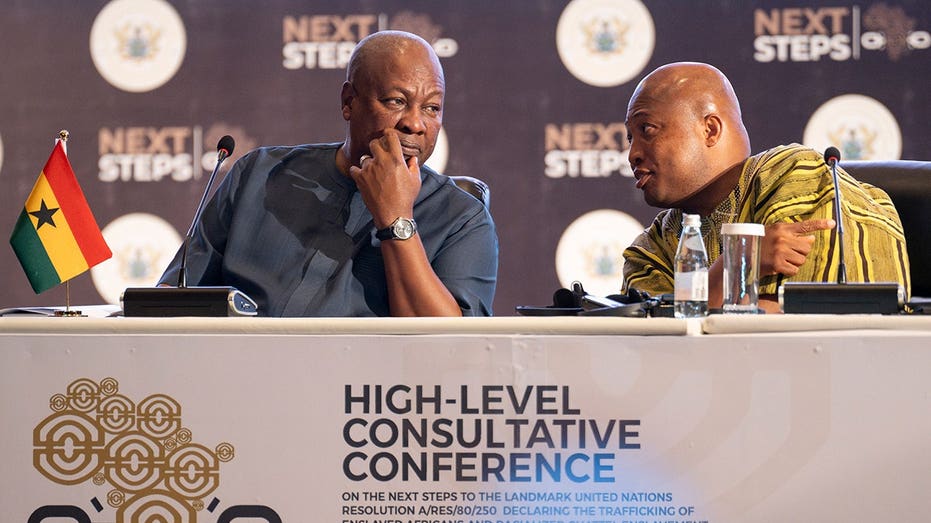
Leaders from African and Caribbean nations have formally adopted a comprehensive 19-point reparations plan, demanding financial payments, debt cancellation, and official apologies from former colonial powers for the enduring impact of the transatlantic slave trade and its legacy.
The significant development occurred in Ghana, where delegates convened to strategize and solidify their collective position on seeking redress for centuries of exploitation and systemic injustices. This plan represents a unified front from nations seeking to address the historical and ongoing economic and social disparities directly linked to the era of enslavement.
The adopted plan outlines specific actions and demands intended to hold former colonial powers accountable. While details of the financial figures were not immediately disclosed, the emphasis is on substantial payments and the cancellation of existing debts that disproportionately burden many of these nations. Furthermore, the leaders are calling for formal, unequivocal apologies to acknowledge the profound harm caused by the slave trade.
This move signals a renewed and coordinated effort by African and Caribbean states to pursue reparations on an international stage. The adopted plan is expected to be presented to global bodies and the governments of nations implicated in the historical slave trade, setting the stage for potentially complex diplomatic negotiations.
Historically, the push for reparations has been a long-standing endeavor for many descendants of enslaved peoples and their advocates. It centers on the argument that the wealth generated through forced labor built economies and institutions in colonizing nations, while simultaneously devastating the societies and economies of African and Caribbean regions.
Experts in post-colonial studies and international law suggest that while the path to achieving reparations is fraught with challenges, including legal hurdles and political resistance, the unified adoption of a detailed plan by a significant bloc of nations could lend considerable weight to their claims. The focus on specific demands like debt cancellation and formal apologies offers concrete avenues for potential engagement.
Reactions from civil society groups and historical organizations have largely been supportive, emphasizing the moral imperative of addressing the unresolved injustices of slavery. They highlight the intergenerational trauma and economic disadvantages that many communities continue to face as a direct consequence of this history.
Moving forward, the leaders are expected to engage in diplomatic outreach to garner international support and to directly petition the governments of nations identified as key beneficiaries of the slave trade. The effectiveness of the 19-point plan will hinge on sustained political will and the willingness of former colonial powers to engage in meaningful dialogue and action.
This article was written by AI based on publicly available news reporting. Original reporting by the linked source.