DHS-backed voter roll system has history of faulty results, reports indicate
The Department of Homeland Security is urging states to use the SAVE system to check voter rolls, despite reports of its faulty data.
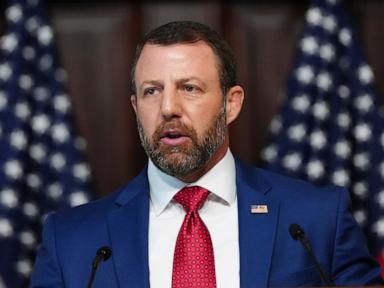
The Department of Homeland Security (DHS) is strongly encouraging states to adopt the Systematic Alien Verification for Entitlements (SAVE) System to audit their voter rolls and enhance election security, citing concerns over hundreds of thousands of non-citizens allegedly registered to vote. Secretary Markwayne Mullin stated on Friday that the agency claims to have identified approximately 250,000 such registrations stemming from four states.
The DHS's push for states to utilize the expanded SAVE System comes as part of a broader effort to update election security measures. The SAVE System, managed by U.S. Citizenship and Immigration Services, was originally designed to verify eligibility for government benefits. However, recent reports and statements from some state election officials suggest the system has a history of producing inaccurate results when used for voter roll assessments.
Despite these concerns, the DHS is advocating for its widespread use. Secretary Mullin did not elaborate on the specific methods used by DHS to verify the alleged 250,000 non-citizen registrations in his remarks to reporters. The agency has repeatedly recommended that states employ SAVE for auditing their voter lists, though it remains unclear if the system was the sole source for the 250,000 figure cited.
The implications of relying on a system with documented data inaccuracies for voter roll maintenance are significant. Experts and some state officials have previously flagged issues with SAVE, raising questions about the reliability of the DHS's findings and the potential for erroneous removals of eligible voters. The White House directed inquiries about the report to the DHS, which in turn referred to a social media post from Secretary Mullin.
The SAVE System's functionality has evolved. Prior to 2025, it primarily queried federal records to confirm the immigration and citizenship status of individuals already identified as immigrants or naturalized citizens. However, the Trump administration expanded its scope last year, allowing for the verification of citizenship status for all individuals registered to vote, including native-born citizens.
This expansion included enabling broader, bulk searches of state voter rolls using Social Security numbers and data from the Social Security Administration (SSA). A now-removed USCIS fact sheet acknowledged that SAVE might not accurately confirm U.S. citizenship if an individual's citizenship is not designated in SSA records. The fact sheet also stated that states must undertake additional verification steps for any SAVE response other than a clear "United States Citizen" designation before removing a person from voter rolls.
The expanded SAVE system is currently facing legal challenges, with federal district courts issuing contradictory rulings on its legality. The U.S. District Court for the District of Columbia, for instance, has been involved in proceedings concerning the system's compliance with existing laws.
These developments highlight a growing tension between federal directives aimed at election security and the practical concerns of state election administrators regarding data integrity and the potential for systemic errors. The reliability of the SAVE System remains a critical point of contention as states consider its implementation for voter roll maintenance.
This article was written by AI based on publicly available news reporting. Original reporting by the linked source.