DR Congo Ebola Outbreak Becomes Fastest on Record with 3,262 Cases
DR Congo's Ebola outbreak has become the fastest on record, infecting 3,262 people, officials announced.
The Democratic Republic of Congo's ongoing Ebola outbreak has officially become the fastest on record, with health officials confirming a total of 3,262 cases. This grim milestone underscores the persistent challenges in containing the deadly virus in the eastern regions of the nation.
The outbreak, primarily concentrated in the North Kivu, South Kivu, and Ituri provinces, began in August 2018. It has since become the second-largest and deadliest Ebola epidemic in history, surpassed only by the 2014-2016 West Africa outbreak. The sheer speed at which cases have accumulated in the DR Congo outbreak distinguishes it from previous regional epidemics.
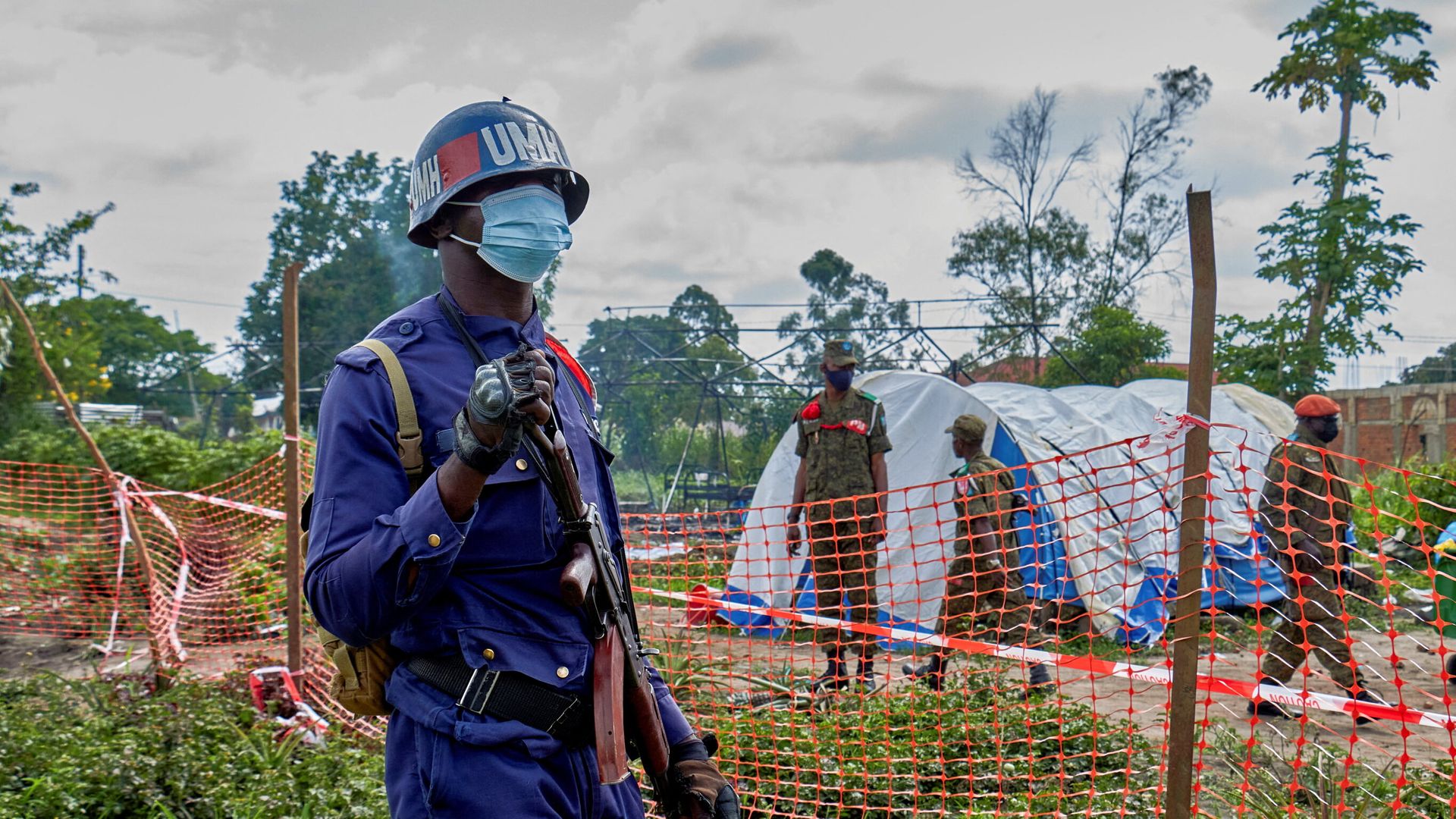
Officials have attributed the rapid spread to a complex mix of factors. These include widespread insecurity, ongoing conflict in the affected areas, and deep-seated mistrust of health workers and authorities among some communities. These conditions have hampered contact tracing, vaccination efforts, and the safe burial of victims, all crucial components of outbreak control.
The implications of this record-breaking speed are significant. It suggests that current containment strategies may need adaptation to better address the volatile and complex environment in which the virus is spreading. International health organizations, including the World Health Organization (WHO), continue to support the DR Congo's Ministry of Health in its response, but the scale of the epidemic strains resources and overwhelms local capacity.
Health experts have pointed to the difficulty of reaching remote and dangerous areas, where rebel groups operate, as a major impediment. "When you cannot access communities safely, you cannot track the virus, you cannot vaccinate, and you cannot provide care," one public health official commented.
Despite the high number of cases, survival rates have improved in recent years due to the deployment of new treatments and vaccines. However, the sheer volume of infections means that the absolute number of deaths remains high, posing a continuous public health crisis.
The affected provinces are already grappling with humanitarian crises stemming from years of conflict, displacement, and poverty. The Ebola epidemic exacerbates these pre-existing vulnerabilities, creating a devastating cycle of disease and instability.
Questions remain about the long-term strategy for controlling Ebola in this challenging region. While progress has been made in understanding and treating the virus, the ongoing outbreak highlights the need for sustained international support, improved security, and greater community engagement to finally bring it to an end.
This article was written by AI based on publicly available news reporting. Original reporting by the linked source.