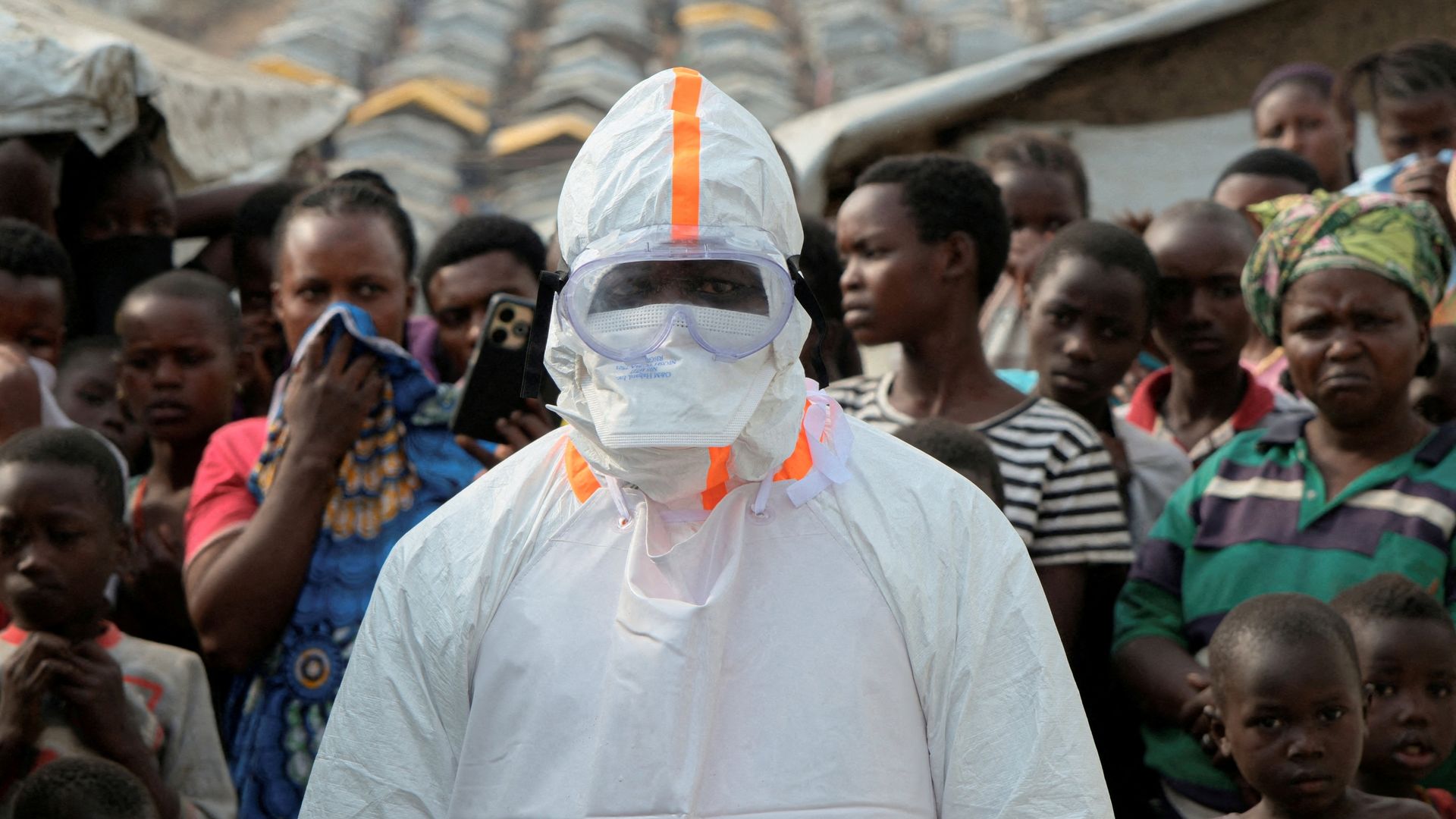
DRC Ebola Outbreak Becomes Deadliest in Nation's History
The Democratic Republic of the Congo's Ebola outbreak has surpassed all previous national outbreaks in fatalities, data confirms.
The current Ebola outbreak in the Democratic Republic of the Congo (DRC) has officially become the deadliest in the country's history, according to available data. This grim milestone marks a significant escalation in the ongoing public health crisis.
The outbreak, which began in August 2018, has now surpassed the previous record for fatalities, underscoring the severity and persistence of the disease within the nation. The DRC has a long and challenging history with Ebola, having experienced multiple outbreaks since the virus was first identified in 1976.
While specific updated figures are subject to official confirmation by health organizations, the trend indicates a substantial and concerning rise in the death toll. Health officials have been working tirelessly on the front lines, employing containment strategies, vaccination campaigns, and public awareness initiatives to combat the spread of the virus.
The implications of this outbreak becoming the deadliest in DRC history are far-reaching. It places immense strain on the country's already fragile healthcare infrastructure and necessitates continued international support and resources. The long-term impact on affected communities and the broader region requires careful monitoring and sustained efforts.
Previous major outbreaks in the DRC include one in 1995, which resulted in a significant number of deaths, and another in 2014. Each outbreak presents unique challenges, influenced by factors such as geographical location, community engagement, and the effectiveness of response mechanisms. The current outbreak's prolonged duration and high fatality rate suggest a complex set of contributing factors.
International health organizations, including the World Health Organization (WHO) and various non-governmental organizations, have been instrumental in providing technical expertise, medical supplies, and personnel. However, the scale of the current crisis often outpaces available resources, highlighting the need for sustained global solidarity and investment in epidemic preparedness and response.
Experts have repeatedly emphasized the importance of community trust and participation in controlling Ebola. Addressing misinformation, ensuring safe burial practices, and providing accessible healthcare services are critical components of any successful containment strategy. The current outbreak has faced challenges in these areas, contributing to its prolonged nature and increasing fatality count.
As the situation continues to evolve, several questions remain regarding the long-term trajectory of the outbreak, the full extent of its impact, and the most effective strategies for preventing future occurrences. Continued vigilance, robust surveillance, and adaptive response measures are essential to mitigate the ongoing threat posed by Ebola in the DRC.
This article was written by AI based on publicly available news reporting. Original reporting by the linked source.