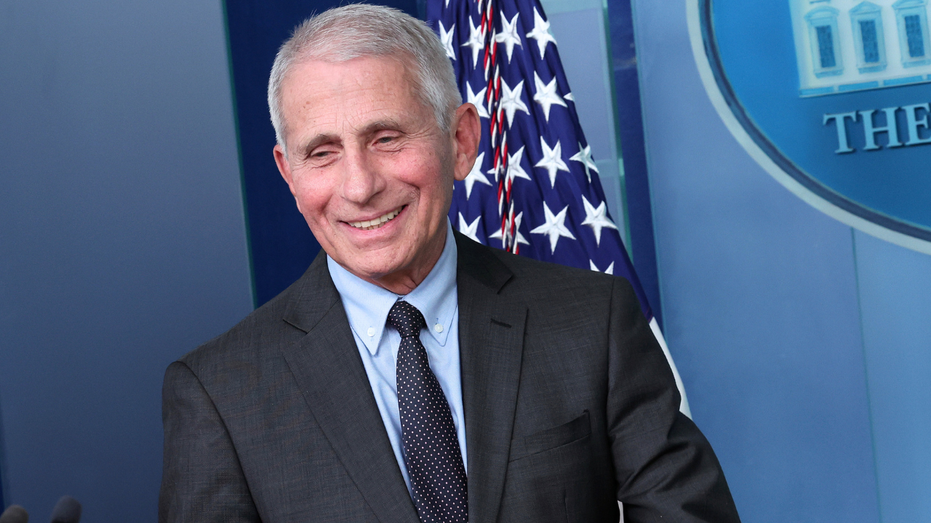
Fauci Diaries: Fame Obsession Amidst Mounting COVID-19 Deaths
Newly released diaries from Dr. Anthony Fauci reveal a preoccupation with his global fame during the COVID-19 pandemic.
Newly released personal diaries belonging to Dr. Anthony Fauci, the former chief medical advisor to the White House, indicate a significant focus on his personal fame and global recognition during the height of the COVID-19 pandemic. The documents, made public recently, offer a glimpse into the mindset of a key public health figure as the virus swept across the globe and led to widespread death and societal disruption.
These journals were compiled during a period of intense public scrutiny and scientific challenge. Dr. Fauci served as the director of the National Institute of Allergy and Infectious Diseases (NIAID) and became a household name, frequently appearing in media briefings to guide the nation through the unfolding crisis. The pandemic resulted in millions of deaths worldwide and necessitated unprecedented public health measures.
The diaries reportedly detail Dr. Fauci's reflections on his perceived status as the "most famous person in the world" at the time. This self-assessment appears alongside entries concerning the ongoing pandemic, including discussions of public health strategies, vaccine development, and the escalating death toll. The juxtaposition of personal reflection on fame with the gravity of the public health emergency is a notable aspect of the released materials.
The implications of these revelations are likely to fuel ongoing debates surrounding the pandemic response and the role of public health officials. Critics may point to the diaries as evidence of a misplaced focus, while supporters might argue that maintaining public visibility was crucial for communicating health guidance. The material provides a new layer of personal insight into a period defined by uncertainty and fear.
Dr. Fauci's public role throughout the pandemic was extensive. He became a leading voice in advising the U.S. government and the public on measures to combat the virus. His frequent media appearances made him a recognizable figure globally, leading to both widespread admiration and significant criticism. The diaries offer a personal counterpoint to his public persona.
While the source material does not provide specific dates or detailed accounts of pandemic-related decisions within the diaries, it suggests a consistent theme of self-awareness regarding his own celebrity status. This awareness was present as the virus continued to claim lives and impact communities worldwide.
Experts in public health communication and psychology may analyze these entries to understand the psychological pressures on individuals in high-profile positions during crises. The diaries could offer insights into how public figures navigate intense media attention and personal reflection while managing critical public health responsibilities.
Further examination of the full diaries, should they become available, will be necessary to provide a comprehensive understanding of Dr. Fauci's experiences and perspectives during the COVID-19 pandemic. The current revelations highlight the complex interplay between public duty, personal perception, and historical events.
This article was written by AI based on publicly available news reporting. Original reporting by the linked source.