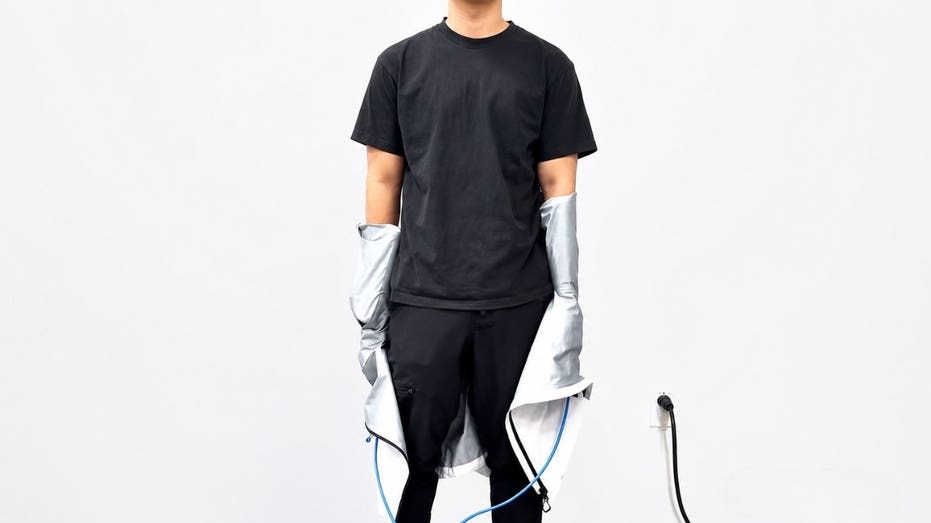
Robots Help Weave Tech into Clothes for Independent Dressing
Researchers developed self-dressing clothing with integrated robotic elements to assist with dressing independently, potentially aiding older adults.
Researchers from KAIST and Stanford University have collaborated to create innovative self-dressing clothing designed to assist individuals, particularly older adults, in dressing themselves more independently. The technology integrates robotic elements directly into garments, aiming to overcome the physical challenges that can make dressing a difficult task for many.
The development addresses a growing need for assistive technologies that promote autonomy and dignity for aging populations. As individuals age, they may experience decreased mobility, dexterity, or strength, which can impact their ability to perform daily activities like dressing, potentially leading to a reliance on caregivers.
The new clothing features embedded robotic systems that can manipulate fabric and fasteners. While specific details on the mechanisms are still emerging, the goal is to automate common dressing actions, such as buttoning shirts or zipping pants, through an intuitive interface. This could significantly reduce the time and effort required for dressing.
This technological advancement holds substantial implications for improving the quality of life for older adults and individuals with physical disabilities. By enabling greater self-sufficiency in dressing, the technology can foster a sense of independence and reduce the burden on both individuals and their support networks. The researchers envision this as a step towards more integrated smart textiles.
The project combines expertise in robotics, textile engineering, and human-computer interaction. The design process likely involved extensive user testing to ensure the clothing is not only functional but also comfortable and easy to operate. The integration of technology into everyday garments like clothing is a burgeoning field, with potential applications extending beyond dressing assistance.
While the initial focus is on older adults, the technology could also benefit individuals recovering from injuries or those with chronic conditions that affect motor skills. The researchers are likely exploring different types of garments and different levels of automation to cater to a wider range of needs and preferences.
Further research and development will be crucial to refine the technology, making it more robust, affordable, and widely accessible. Challenges may include ensuring the durability of the embedded electronics and robotics, as well as the ease of washing and maintenance of the garments. The long-term vision is for such technologies to become seamlessly integrated into daily life.
Questions remain about the specific robotic components used, the power source for the integrated systems, and the user interface for controlling the dressing process. The researchers are expected to release more detailed information as they move towards potential commercialization or wider pilot programs.
This article was written by AI based on publicly available news reporting. Original reporting by the linked source.