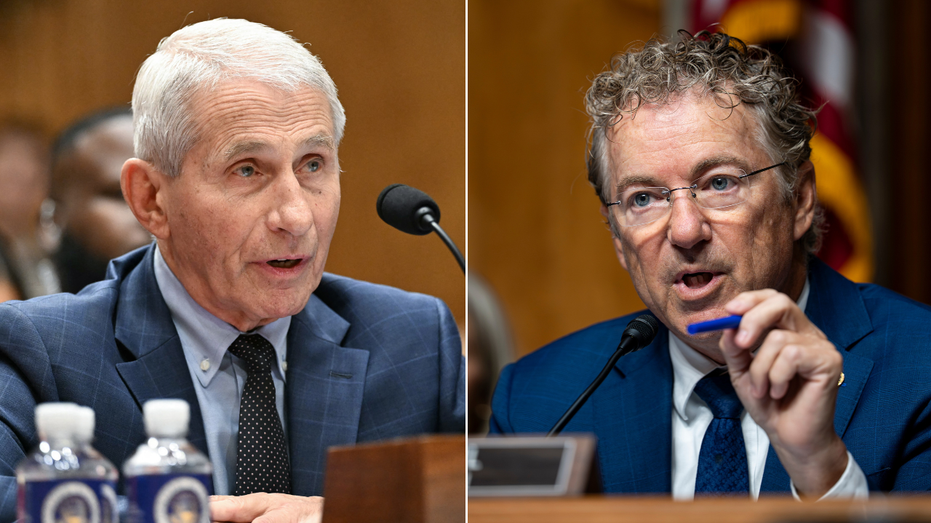
Fauci Pleads Fifth Amendment Amidst Congressional Scrutiny
Dr. Anthony Fauci invoked his Fifth Amendment right against self-incrimination 111 times during a congressional deposition, drawing criticism and calls for accountability.
Dr. Anthony Fauci, former chief medical advisor to the White House, invoked his Fifth Amendment right against self-incrimination over 100 times during a recent congressional deposition. The deposition, reportedly before the House Select Subcommittee on the Coronavirus Pandemic, saw Fauci refuse to answer numerous questions related to his role and decision-making during the COVID-19 pandemic.
This assertion of his constitutional right has ignited a debate among lawmakers and commentators regarding transparency and accountability. Critics argue that invoking the Fifth Amendment suggests an unwillingness to cooperate fully with legislative oversight, particularly concerning public health policies that impacted millions of Americans.
Sources indicate that Fauci's repeated invocation of the Fifth Amendment occurred when questioned about specific aspects of the pandemic response, including the origins of the virus, vaccine efficacy, and the financial dealings of institutions he was associated with. The sheer number of times he invoked the right has become a focal point of the ongoing discussion.
The implications of Fauci's actions extend to the broader context of congressional investigations into the pandemic. Lawmakers seeking to understand the full scope of government actions and scientific advice during the crisis now face a significant hurdle in obtaining direct testimony from a key figure.
Commentators have noted that while invoking the Fifth Amendment is a legal right, its use by a public official in such a high-profile inquiry raises questions about public trust. Some suggest that a more forthcoming approach would have better served the public interest in understanding the pandemic's management.
The situation has also drawn comparisons to other instances where public figures have invoked constitutional protections during congressional hearings. The differing perspectives highlight a fundamental tension between an individual's legal rights and the public's demand for information and accountability from government officials.
Further scrutiny is expected as congressional committees continue their investigations. The extent to which other evidence or testimony can fill the gaps left by Fauci's refusal to answer specific questions remains to be seen. The legal and political ramifications of this deposition are likely to unfold in the coming weeks and months.
Questions persist about what specific information Fauci may have been unwilling to disclose and the potential impact on the ongoing congressional efforts to provide a comprehensive account of the pandemic era. The outcome of these investigations could shape future public health policy and the oversight mechanisms for such crises.
This article was written by AI based on publicly available news reporting. Original reporting by the linked source.