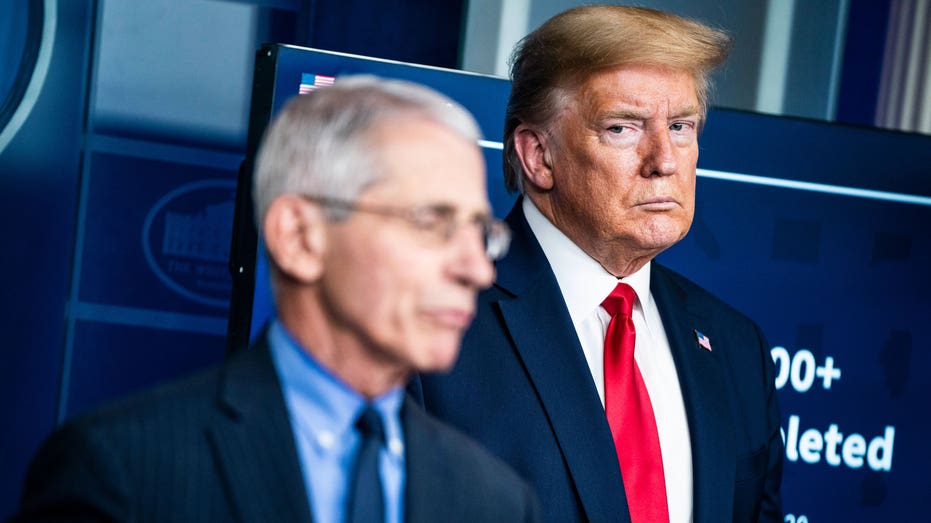
Fauci's Diaries Detail Encounters with Trump, Celebrities Amid Pandemic
Newly released pandemic diaries by Dr. Anthony Fauci reveal personal reflections on Donald Trump, Julia Roberts, and Hunter Biden.
Newly surfaced pandemic diaries from Dr. Anthony Fauci offer a rare glimpse into the personal thoughts of the former chief medical advisor to the White House, detailing his interactions and reflections on prominent figures including former President Donald Trump, actress Julia Roberts, and Hunter Biden.
The diaries, covering the initial stages of the COVID-19 pandemic, were obtained by Fox News and provide context to Fauci's public role as a leading voice during a period of national crisis. They reveal a personal account of the immense pressure and public scrutiny he faced.
Entries reportedly mention conversations and observations regarding President Trump's response to the virus, as well as encounters with well-known personalities. The content suggests a blend of professional duties and personal reflections on the high-profile nature of his work.
The release of these diaries comes at a time when the public's understanding of the pandemic's early days continues to evolve. They offer potential insights into the mindset of a key decision-maker during a tumultuous period.
Fauci, who served as the Director of the National Institute of Allergy and Infectious Diseases (NIAID) for decades, became a household name due to his frequent media appearances during the pandemic. His role involved advising multiple presidential administrations on infectious diseases.
The diaries reportedly include entries that touch upon the challenges of communicating public health guidance amidst political divisions. They also detail interactions with individuals outside the immediate public health sphere, highlighting the broad impact of the pandemic on society.
While the diaries offer a personal perspective, they are distinct from official government records. The details contained within them provide a layer of personal narrative to the well-documented public events of the pandemic.
Further examination of the diaries may shed light on Fauci's personal strategies for navigating the complex demands of his role, balancing scientific advice with public engagement and political considerations during one of the most significant public health emergencies in modern history.
This article was written by AI based on publicly available news reporting. Original reporting by the linked source.